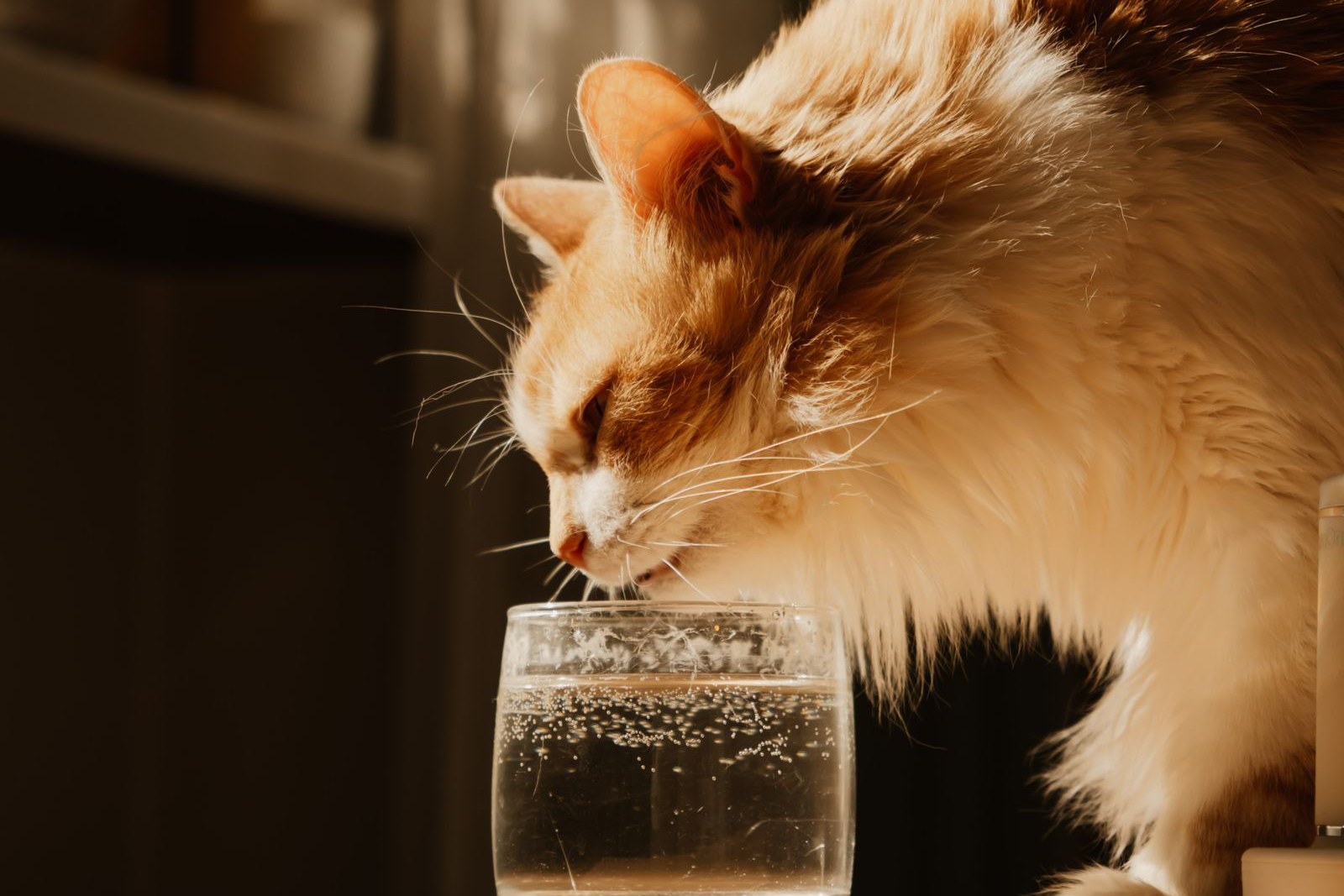
Chronic kidney disease at a glance
Chronic kidney disease is the persistent loss of kidney function over time. Healthy kidneys filter the blood, make urine, and help regulate blood pressure. As that function fades, waste products the kidneys would normally remove can build up in the blood, and the cat urinates in greater volumes and drinks more to compensate. The Cornell Feline Health Center describes CKD as one of the most prevalent diseases in older cats, affecting up to 40% of cats over the age of 10 and up to 80% of cats over the age of 15, in Cornell's figures. This guide explains the condition in plain language first. It then turns to the insurance questions that decide whether a policy actually helps across the years of monitoring this disease involves.
| What it is | The persistent, progressive loss of kidney function over months and years. There is no definitive cure. Care slows the progression and protects quality of life |
|---|---|
| Who is at risk | Senior cats above all. Cornell names age as the only known risk factor in cats. Some breeds also meet kidney disease through inherited conditions, covered in the breed section below |
| Typical first signs | Often none at all in the early stages. Then drinking more, urinating in greater volumes, and urine that is poorly concentrated |
| Later signs | Loss of appetite, weight loss, lethargy, an unkempt coat, vomiting, and in some cats the effects of high blood pressure or anemia |
| How it is diagnosed | Blood tests and urine analysis together, read on at least two occasions in a stable, well hydrated cat, with blood pressure measurement and sometimes imaging |
| How it is staged | The IRIS system: four stages set by blood creatinine and SDMA, with substages for protein in the urine and for blood pressure |
| How it is managed | Dietary change, hydration support, control of blood pressure and other linked problems, and monitoring on a regular rhythm for the rest of the cat's life |
| The insurance question | Whether the plan treats kidney disease as a chronic condition that stays covered at renewal, whether monitoring is reimbursable, and whether any early note or raised value makes the disease pre-existing |
What chronic kidney disease is, in plain language
A cat's kidneys do several jobs at once. They filter waste products out of the blood. They control how much water the body keeps, by concentrating or diluting the urine. They help regulate blood pressure. They also produce a hormone called erythropoietin, which signals the body to make new red blood cells. Kidney disease is what happens when the working tissue of the kidneys is gradually lost and those jobs are done less and less well.
The word chronic is doing real work in the name. The Merck Veterinary Manual describes chronic kidney disease as damage that happens slowly, often continuing for many months or years before a cat shows any signs, and notes that there is rarely anything a veterinarian can do to treat the existing damage itself. Cornell uses the same framing. CKD is the persistent loss of kidney function over time, and it is progressive, which means the lost function does not come back. That is the difference between this condition and an acute kidney injury, a sudden problem that can sometimes partly recover. This guide is about the slow condition.
The early mechanics explain the early signs. The first ability the kidneys lose is usually concentrating urine. A cat whose kidneys cannot concentrate urine passes larger volumes of dilute urine, and then drinks more water to replace what was lost. Cornell is direct that in the early stages it is very common for cats to show no obvious signs at all, because the body compensates. Only later, as waste products build up in the bloodstream, a state vets call azotemia, do cats tend to feel ill, lose appetite, and lose weight.
Two linked problems travel with the disease and matter for both care and claims. The first is hypertension, which means high blood pressure. Cornell notes that cats with CKD are at risk for it, that it can damage the eyes, brain, and heart, and that about 60% of cats with CKD will develop it, in Cornell's figures. The second is anemia, a low red blood cell count, which follows from the kidneys producing less erythropoietin. A cat with anemia may be lethargic, lose appetite, and have pale gums. Both problems are part of why a kidney diagnosis is never just a kidney conversation. Monitoring for this condition is monitoring of the whole cat.
One more distinction matters for everything that follows. Kidney disease in cats is usually a condition of aging rather than a condition of breeding. Merck notes that chronic kidney disease that is not inherited does not seem to be more common among certain breeds or among males or females, and that it becomes more common starting at age 5 to 6 in the Merck manual's account. Inherited kidney conditions exist, and the breed section below names them. But the typical CKD story is a senior cat, of any breed or none, whose routine bloodwork changes. That is exactly the story insurers handle with chronic and pre-existing wording, which is why the second half of this guide spends its length there.
Signs at home, sorted by what to do next
Owners usually meet kidney disease as a pattern noticed over weeks, not as a single alarming moment. The water bowl empties faster. The litter box holds larger clumps. The cat is a little thinner when picked up. The table below sorts the common signs by the response they call for. It is general information, not a diagnosis. Signs like these can have other causes, including thyroid disease and diabetes, and only a veterinarian who examines your cat and runs the tests can say what is going on. When in doubt, treat the sign as one level more urgent than the table suggests, and call your vet.
| What you see | What it can mean | What to do next | Write this down |
|---|---|---|---|
| Drinking more than usual. The water bowl needs refilling more often, or the cat drinks from faucets and glasses it used to ignore | Often the earliest visible change. The kidneys are losing the ability to concentrate urine, so the cat replaces the extra water it passes | Book a vet visit and start the log. This sign deserves bloodwork and a urine test, not a wait and see approach, because several treatable conditions share it | The date you first noticed it, and roughly how often the bowl is now filled compared with before |
| Larger or more frequent urine clumps in the litter box | The companion sign to drinking more. Greater urine volume is the kidneys compensating, and Cornell lists it among the first changes as concentration fails | Mention it at the same visit. Drinking and urination together are the pattern vets act on. One without the other is a weaker signal | How many clumps a day, and roughly how large, for a week before the visit |
| Weight loss over weeks or months, a spine or hips that feel sharper, a coat that looks unkempt | Kidney function has fallen far enough that appetite, metabolism, and grooming are affected. Cornell lists weight loss and an unkempt appearance among the later signs | Vet visit promptly, within days. Weigh the cat the same way each week from now on, so the trend is a number and not an impression | Each weekly weight, with the date. Bring the list to the visit |
| Reduced appetite, turning away from food, nausea, occasional vomiting, lower energy | Waste products building up in the bloodstream can make a cat feel ill. These are also signs of many other conditions, which is why testing decides | Call the vet today or tomorrow. A cat with kidney disease that stops eating can develop significant further problems in a relatively short time, as Cornell warns in its diet guidance | What was offered, what was eaten, and when vomiting happens in relation to meals |
| Sudden change in vision, bumping into things, disorientation, or new weakness in a cat with known or suspected kidney disease | Possible effects of high blood pressure, which Cornell names as a risk in CKD and a cause of sudden vision changes and neurologic signs | Same-day urgent care. Blood pressure effects on the eyes and brain are time sensitive. Tell the clinic the cat may have kidney disease and describe the vision or behaviour change exactly | The time the change was noticed, and whether the cat is eating, drinking, and urinating |
| Producing very little urine, repeated straining, crying in the litter box, or complete inability to urinate | This is not typical slow CKD. It can mean a urinary blockage or an acute kidney problem, both of which are emergencies in their own right | Emergency, now. Do not wait to see whether it clears. A blocked cat and a cat in acute kidney failure both need treatment the same day | The last time you are sure the cat urinated normally |
The last column is not an afterthought. With a slow condition, the notes you make at home become the timeline both your vet and an insurer read later. A dated log entry that says when the drinking changed is worth more than a memory reconstructed at claim time. It also protects the cat. Kidney values are interpreted against how the cat has been doing, and your log is the record of how the cat has been doing.
Which cats are at risk, and why
The honest headline is age. Cornell states that the only known risk factor for the development of CKD in cats is age, and advises that all senior cats be regularly monitored for the disease. Merck's manual adds that the condition becomes more common starting at age 5 to 6 and affects a substantial share of elderly cats. Any breed, and any mixed breed cat, can develop it. A guide that sold kidney disease as a pedigree problem would be misleading you.
That said, some breeds meet kidney problems earlier, through inherited conditions that damage the kidneys by a different route. The clearest is polycystic kidney disease, in which fluid filled cysts grow in the kidneys over time. Our breed guides cover it in pet insurance for Persians, the breed most associated with it, and in pet insurance for Exotic Shorthairs, pet insurance for Ragdolls, and pet insurance for British Shorthairs, where the British Shorthair guide separates the ancestry linked kidney risk from the breed's general risks and pairs it with the home monitoring log this guide adapts below. A second inherited route is amyloidosis, in which an abnormal protein is deposited in organs including the kidneys. It is covered in our guides to pet insurance for Abyssinian cats and pet insurance for Siamese cats. For these breeds, the insurance questions start younger, and the genetic test and screening questions in our breed guides apply alongside everything here.
The third group is not inherited at all. It is the long lived cat. Our guides to pet insurance for Siberian cats and pet insurance for Russian Blue cats both carry chronic kidney disease as a senior stage condition, for the same reason. A cat that lives a long time spends many years in the age range where kidney monitoring earns its keep. Longevity is a risk factor an owner should be glad to have. It simply means the senior monitoring years are long ones, and the policy has to hold up across all of them.
Every condition guide on this site is collected on the condition guides hub. The closest companion to this one is our guide to pet insurance for HCM in cats, the other senior cat condition that is found by screening and managed by monitoring.
Diagnosis and IRIS staging, in plain language
Diagnosis starts with two kinds of sample read together: blood and urine. Cornell is explicit that no single test gives a complete picture of kidney function. The blood tests measure waste products that healthy kidneys filter out. The three names you will see on a report are blood urea nitrogen, shortened to BUN, creatinine, and SDMA, which is short for symmetric dimethylarginine. A rise in these compounds in the blood is called azotemia, and it suggests the kidneys are not filtering properly. It does not prove it on its own. Dehydration, for example, can raise BUN and creatinine in a cat whose kidneys are working normally.
The two main markers behave differently, and the difference is the reason early diagnosis exists at all. Creatinine comes from muscle, so muscle mass affects it. A very thin senior cat can have a normal creatinine despite reduced kidney function, because there is less muscle making creatinine. Cornell notes that creatinine does not generally rise until a cat has lost almost 75% of kidney function. SDMA is less affected by muscle mass and by dehydration, and its rise is detectable when about 40% of kidney function is lost, in Cornell's figures. In plain terms, SDMA is the earlier alarm, and creatinine is the older, coarser one. A good kidney workup reads both.
The urine test, called a urinalysis, answers the other half of the question. The vet looks at how concentrated the urine is, a measure called urine specific gravity. Poorly concentrated urine can be one of the earliest indicators of CKD, because losing concentration is usually the first thing failing kidneys do. The vet also checks the urine protein to creatinine ratio, shortened to UPC, which measures protein being lost through the kidneys, and may culture the urine to rule out a bacterial infection. Cornell adds an important discipline to all of this. Ideally, kidney function is read from at least two blood and urine samples, taken within a short window of one another, from a stable, well hydrated cat. One sample on one dehydrated afternoon is not a diagnosis.
Blood pressure belongs in the same workup, not in a later one. Cornell advises that measurement of a cat's blood pressure is an important part of the medical evaluation for this disease, because hypertension is common in CKD and because it changes the treatment plan. Imaging, such as an abdominal ultrasound or X-rays, can be added when the vet needs to see the size and structure of the kidneys, or to look for a cause such as stones or a growth. A biopsy is occasionally part of the picture. None of these steps is exotic. Together they are the standard shape of a kidney diagnosis, and they are the services whose names need to appear in a policy's covered services if the policy is going to respond to this condition.
The IRIS stages, translated
Once CKD is diagnosed, vets describe its severity with the staging system from the International Renal Interest Society, known as IRIS. Staging is done when the cat is well hydrated and stable, because a dehydrated or sick cat can look worse staged than it is. IRIS bases the stage on fasting blood creatinine and blood SDMA, assessed on at least two occasions, and then adds substages based on protein in the urine and on blood pressure. The table below states IRIS's own published stage definitions for cats, from the IRIS staging guidelines as modified in 2026. It is a clinical framework for vets, not a tool for staging your own cat from one lab report.
| IRIS stage | Blood creatinine | Blood SDMA | What it usually means |
|---|---|---|---|
| Stage 1 | Below 1.6 mg/dL | Below 18 µg/dL | Kidney damage or an early abnormality is present, but waste products are not built up in the blood. IRIS notes that a persistently raised SDMA, above 14 µg/dL, may be used to identify early disease at this stage. Signs are usually absent |
| Stage 2 | 1.6 to 2.8 mg/dL | 18 to 25 µg/dL | Mild renal azotemia. Creatinine may still sit inside some laboratory reference ranges. Clinical signs are usually mild or absent, though drinking and urination may be increasing |
| Stage 3 | 2.9 to 5.0 mg/dL | 26 to 38 µg/dL | Moderate renal azotemia. Signs such as weight loss, reduced appetite, and lower energy are more likely, in varying degrees |
| Stage 4 | Above 5.0 mg/dL | Above 38 µg/dL | The most advanced stage. Waste products are markedly built up, signs are usually clear, and care focuses heavily on comfort, hydration, and managing complications |
Two reading notes keep the table honest. First, the substages matter as much as the stage. Two cats at the same stage can face different plans because one is losing protein in the urine or has high blood pressure and the other does not. IRIS builds those substages into the system for exactly that reason. Second, a stage is a snapshot, not a sentence. Cats are restaged as results change, and Cornell emphasises that regular monitoring is how an individual cat's pace of progression becomes clear. For insurance, the practical translation is simple. The stage tells you how much monitoring and care the coming year is likely to contain. The policy wording tells you whether that care is reimbursable. Those are different documents, and this guide keeps them separate on purpose.
Questions to ask your vet at the staging visit
The staging visit produces the documents everything else depends on. These questions are worth asking while you are in the room, and the answers are worth writing into the same folder as the lab reports.
- What stage and substages did you record, and which results decided them: creatinine, SDMA, urine concentration, UPC, or blood pressure?
- When do you want the next panel, and which values will you compare against today?
- Is my cat losing protein in the urine or showing high blood pressure, and does either one change the plan?
- How should we handle the diet change so the cat keeps eating through the transition?
- What change at home should make me call before the next scheduled recheck?
Management: diet, fluids, and monitoring
There is no cure to describe in this section, and any guide that implied otherwise would be selling something. Cornell states the goal plainly. Treatment aims to slow the progression of kidney disease and maintain a good quality of life. Merck's staging guidance has the same shape, stage by stage: identify and treat complications, ensure adequate water intake, adjust diet as the stage advances, and support the cat through the later stages. The categories below are the standard ones. The specific choices belong to your vet and your cat.
Diet
Dietary change is generally the first change recommended early in the disease, and Cornell describes it as an important and proven part of treatment. Therapeutic kidney diets are formulated differently from standard food, with adjusted protein, phosphorus, and sodium, among other changes. Two practical points from Cornell matter more than the formulation. The transition should be gradual, with attention to temperature, texture, and flavour, because many cats resist a new food. And a cat with CKD must keep eating through the transition. Cornell warns that cats with this disease that go without food for relatively short periods can develop significant health problems. A kidney diet a cat will not eat is not a treatment plan. Work with the vet until the cat is actually eating the food.
Fluids and hydration
Maintaining hydration is essential, because dehydration speeds damage and worsens signs. At home, Cornell describes encouraging water intake with wet food, multiple clean water sources, and fountains for cats that prefer them. In some cases, fluids given under the skin at home, on a rhythm set by the vet, become part of care, especially in more advanced stages. During illness, intravenous fluids at the clinic may be needed until the cat is stable. For a policy, notice what this category is made of. It is supplies, training, and repeat modest services over years, plus occasional clinic stays. That shape of spending is what the policy table below is built to test.
Linked problems
Managing kidney disease includes managing what travels with it. High blood pressure and urinary protein loss are generally treated with oral medication. Anemia may be treated with therapies that support red blood cell production. Other therapies, such as phosphate binders, potassium supplementation, and anti-nausea or appetite support, can help certain cats. Cornell is careful that not all of these approaches are fully validated, and that choices belong with the treating vet. The insurance translation is that a kidney claim file often contains several small related claims, for pressure checks, medication, and rechecks, rather than one clean invoice.
Monitoring cadence, as a concept
Monitoring is not an extra in this condition. It is the treatment's steering wheel. The Merck Veterinary Manual gives the general rhythm in its owner guidance. All cats with kidney disease should see the veterinarian every 6 to 12 months, or more often if there are problems, with weight and hydration assessed, blood pressure measured, and blood and urine tested. Cats in stages 2 and 3 should be seen every 3 to 6 months, and cats in the later stages every 1 to 3 months, in the manual's guidance. Your vet will set your cat's actual rhythm. The concept to carry into a policy comparison is that the number of recheck visits, panels, and pressure checks rises with the stage, predictably, for the rest of the cat's life. A policy that excludes monitoring has excluded the centre of this condition's care while keeping its name on the covered list.
The policy clauses that decide a kidney disease claim
Most pet insurance disputes about kidney disease are not arguments about what happened at the clinic. They are arguments about what the policy said before anything happened, applied to a condition that develops slowly and never resolves. The table below names each clause, explains what it does in plain language, and states the question to settle for CKD specifically. Every answer lives in the insurer's sample policy, which is the full contract wording, not the marketing summary. Read it before you enroll, and keep the answers in writing.
| Clause to check | What it means | The kidney disease question to settle |
|---|---|---|
| Chronic condition classification | Some plans cover a condition that lasts for years on the same terms for as long as the policy continues. Others cap a condition, or treat long term conditions less generously than one-off illnesses | Is chronic kidney disease covered as a chronic condition for the life of the policy, with no per condition cap that the first years of monitoring would quietly consume? |
| Renewal and reclassification terms | At each renewal, a weak contract can treat an existing condition as newly pre-existing, end its coverage, or restart its limits | If your cat is diagnosed this year, does the same kidney disease stay covered at every renewal while you stay enrolled, stated in those words? |
| Pre-existing condition definition | A pre-existing condition is one whose signs appeared before the policy started or during a waiting period, whether or not it was formally diagnosed | Would an earlier note about increased drinking, unexplained weight loss, dilute urine, or one raised kidney value make all later kidney care pre-existing? For a slow-burn condition, this is the most consequential definition in the contract |
| Curable versus chronic classification | Some plans restore coverage for conditions classed as curable after a symptom-free period. Kidney disease is not curable, so it should never depend on that route | Is kidney disease handled under the chronic rules from the start, rather than being pushed into a curable framework it can never satisfy? |
| Senior enrollment rules | Some insurers set an upper age for new enrollment, or offer older cats fewer plan options. Rules vary and are stated in the plan documents | At your cat's age, can the cat enroll at all, on which plans, and does anything about coverage change at later ages while enrolled? |
| Monitoring coverage | The contract decides whether recheck testing for a known condition counts as treatment of that condition, as excluded routine care, or as wellness | Are repeat blood panels, SDMA, urinalysis, UPC, and blood pressure checks for a covered kidney condition reimbursable, and is there a frequency limit or a sublimit on them? |
| Prescription diet wording | In many policies, food is food, even when a vet prescribes it. In some, vet prescribed diets for a covered condition are partly included | Is a therapeutic kidney diet covered, excluded, or partly covered under this plan? Assume nothing. Get the answer in writing before the first bag is bought on that assumption |
| Covered services and linked problems | The contract lists which services count, and kidney care spills into blood pressure treatment, anemia support, fluids, and occasional hospital care | Are fluids, blood pressure medication, anemia treatment, and a clinic stay to stabilise a kidney cat covered as part of the kidney condition, or are any of them carved out? |
| Annual limit and steady claims | The annual limit caps what a plan pays in a policy year. Kidney care is usually many modest claims rather than one large one | Picture a year of rechecks, panels, medication, and one stabilisation stay. Does the limit and the deductible structure suit a steady rhythm of small claims, or does a per claim deductible quietly tax every visit? |
Two of these rows deserve emphasis because they catch owners out most often. The pre-existing row is a records trap with a long fuse. Kidney disease announces itself in soft notes, a vet writing drinking more, or urine dilute, or a borderline value flagged for recheck, sometimes years before anyone says the words kidney disease. Our guide to waiting periods explains how those definitions work across conditions. The monitoring row is the quiet one. Owners compare policies on the dramatic scenario, a hospital stay, and kidney care turns out to be a rhythm of panels and pressure checks. If those are excluded, the policy covers the label and misses the care. That is why the strongest kidney advice in this guide is unglamorous. Enroll while senior bloodwork is clean if you can, and choose the plan on its chronic and monitoring wording, not on its headline limit.
A kidney disease claim, step by step
This walkthrough uses no dollar figures, because prices vary by region and clinic, and invented figures would not help you judge a real policy. It follows a typical first kidney claim for a senior cat so you can see where the paperwork is created.
- The pattern at home. Over several weeks the water bowl empties faster and the litter clumps grow. You start the home log described below and note the date the change began. That date later helps place the first sign inside the policy period.
- The senior visit. The vet examines the cat, weighs it, and runs blood tests and a urinalysis. The results show waste products raised and urine poorly concentrated. Keep the invoice and the full record, including the lab values, not only the summary.
- The confirmation step. Because kidney values are read in a stable, well hydrated cat, the vet repeats the blood and urine testing within a short window. The second set confirms the pattern. This recheck is not a delay. It is the step that turns a suspicious result into a diagnosis, and the claim file should show both sets.
- Staging and the plan. The vet stages the disease under the IRIS system, checks blood pressure, and sets the management plan: diet, hydration support, any medication, and the monitoring rhythm. Keep the staging note and the plan in the same folder as the lab reports.
- Filing the claim. You submit the claim form with the invoices, the medical record, and the lab reports. Most insurers also ask for the cat's full history from every vet the cat has seen, because the pre-existing check runs on the whole record, not only on this diagnosis.
- The assessment. The insurer matches the diagnosis against the clauses in the table above. Were there earlier notes about drinking, weight, or kidney values? Is the condition classed as chronic and covered at renewal? Is monitoring inside the covered services? The answers, not the size of any single bill, decide the outcome.
- Reimbursement and the deductible. If the claim is accepted, the plan applies the deductible, which is the amount you pay first, and the reimbursement percentage stated in the policy, up to the remaining annual limit. Our guide to how pet insurance works walks through that arithmetic with a labelled hypothetical example.
- The ongoing claims. Recheck panels, pressure checks, medication, and diet questions follow on the monitoring rhythm for the rest of the cat's life. File as you go, keep the home log current, and treat each renewal as a checkpoint where you confirm the condition is still described as covered.
If a claim is denied, ask for the denial in writing with the exact clause cited. A denial based on an earlier record note can be answered with the timeline you kept: the log, the clean bloodwork from before enrollment, and the recheck results that show when values actually changed. None of that guarantees a reversal. It turns an argument into a document review, which is the ground where owners do best.
Before you enroll a cat at risk of kidney disease
- Get a written answer on whether chronic kidney disease is covered as a chronic condition for the life of the policy, with no per condition cap.
- Confirm in writing that a covered chronic condition stays covered at renewal and is not reclassified as pre-existing in a new term.
- Ask what earlier signs count as pre-existing for the kidneys: increased drinking, weight loss, dilute urine, a single raised creatinine or SDMA value.
- Ask the senior question directly. At your cat's age, which plans are open for new enrollment, and does coverage change at later ages?
- Confirm monitoring is reimbursable by name: blood panels, SDMA, urinalysis, urine protein testing, and blood pressure checks.
- Ask whether a vet prescribed kidney diet is covered, excluded, or partly covered, and get the answer in writing.
- Check that fluids, blood pressure treatment, anemia support, and hospital care to stabilise the cat are covered services under the kidney condition.
- Choose the deductible and annual limit by picturing a steady year of rechecks and medication, plus one harder year with a clinic stay, rather than one dramatic bill.
- If you can, get a clean senior blood and urine panel before you enroll, and keep it. A normal baseline on file is the strongest answer to a later pre-existing argument.
- Start the home monitoring log now, while it is a baseline rather than a record of a problem.
Questions to ask an insurer, in writing
Copy these into an email or the insurer's contact form, and keep the reply with your policy. Written answers are the ones that can be quoted back at claim time.
- Is chronic kidney disease covered for the life of the policy once diagnosed, and is there any per condition limit that would apply to it?
- Does a covered chronic condition stay covered at renewal, or can it be reclassified as pre-existing in a new policy term?
- My cat's record contains a note about increased drinking and one raised kidney value from a past visit. Would that make later kidney treatment pre-existing under this plan?
- Are monitoring tests for a covered chronic condition reimbursable: repeat blood panels, SDMA, urinalysis, urine protein to creatinine ratio, and blood pressure measurement?
- Is a veterinarian prescribed therapeutic kidney diet covered, excluded, or partly covered?
- What is the oldest age at which a cat can newly enroll, and do benefits change at any age after enrollment?
- Are fluids given under the skin at home, when prescribed by my vet, treated as a covered supply or service?
For the wider comparison method behind these questions, see how to compare plans and what pet insurance covers. For the money side in general terms, see what shapes the cost of pet insurance.
The home monitoring log
The simplest useful tool in this guide is a one page home record, kept on paper or in a phone note, and brought to every recheck. It is matched to the log in our British Shorthair guide, adapted here to the three changes kidney disease shows first. Once a week, or as often as your vet suggests, write down three things, plus anything unusual. First, weight, taken the same way each time, so a trend is visible rather than a guess. Second, water intake, even in rough form, such as how often the bowl is filled each day or whether the cat has started drinking from new places. Third, appetite, including food left uneaten, meals skipped, and any change in which foods the cat will accept. Add litter output when you can, meaning how many clumps and roughly how large, because urine volume is a kidney sign in its own right. Date every entry.
A record like this does not diagnose anything, and it does not replace bloodwork. What it does is turn the slowest changes in feline medicine into dated evidence. Your vet reads the trend between panels and can move a recheck forward when the log changes. Your claim file, if you ever need it, reads as one continuous, honest story that starts before anyone was arguing about dates. For a condition defined by slow change, that log is the closest thing an owner has to a head start.
Frequently asked questions
Is chronic kidney disease in cats covered by pet insurance?
It depends on the exact policy and on timing. Kidney disease is an illness, so an accident and illness plan can cover its diagnosis and care when the condition first showed signs after the policy started and after any waiting period, and when the plan's chronic condition wording keeps it covered over time. If bloodwork, urine changes, increased drinking, or weight loss were recorded before enrollment or during a waiting period, an insurer may treat the disease as pre-existing. The sample policy, confirmed in writing, is the only reliable answer for your cat.
One blood test showed a raised kidney value. Is kidney disease now pre-existing?
It can be argued that way, which is why the follow-up testing matters. A single raised value can come from dehydration or another temporary cause, and both Cornell and IRIS describe kidney values being read on at least two occasions in a stable, well hydrated cat before conclusions are drawn. Keep the recheck results with the first result. A record that shows a value returning to normal, with a vet note explaining the temporary cause, reads very differently at claim time from a record where the raised value was simply left standing.
What is IRIS staging, and does the stage change what a policy pays?
IRIS staging is the system from the International Renal Interest Society that groups chronic kidney disease into four stages using blood creatinine and SDMA, with substages for protein in the urine and blood pressure. It is a clinical tool. It guides how your vet monitors and manages your cat. It does not set what an insurer pays. What a policy pays follows its own wording on chronic conditions, monitoring, and limits. The stage matters to a claim indirectly, because a higher stage usually means more monitoring and more care for the policy to respond to.
Does insurance pay for the repeat bloodwork, urine tests, and blood pressure checks?
Only if monitoring for a covered condition is inside the plan's covered services. Some policies reimburse recheck blood panels, urinalysis, and blood pressure measurement as part of treating a covered chronic condition. Others pay for diagnosis and medication but treat routine monitoring as excluded or as wellness care. For kidney disease this is the centre of the policy, not a detail, because monitoring is most of what the care consists of. Check it by name before you enroll.
Can I enroll a senior cat, or is it too late for kidney coverage?
It depends on the insurer and on the record. Some plans set an upper age for new enrollment, or offer older cats fewer plan choices, so ask for the senior rules in writing. The harder limit is usually the medical record rather than the birthday. A senior cat with clean recent bloodwork and no kidney notes may enroll with kidney disease still coverable in the future. A senior cat whose record already shows raised kidney values, dilute urine, or unexplained weight loss will usually find kidney care treated as pre-existing, whatever the cat's age.
Can chronic kidney disease in cats be cured or reversed?
No. Cornell is clear that CKD is a progressive disease with no definitive cure, and the Merck Veterinary Manual notes that existing kidney damage rarely can be treated directly. Care aims to slow the progression and protect quality of life. That care includes dietary change, hydration support, control of blood pressure and other linked problems, and regular monitoring for the rest of the cat's life. Earlier diagnosis gives that care more to work with, which is why senior bloodwork matters even in a cat that seems well.
Sources and further reading
- International Renal Interest Society (IRIS), IRIS Staging of CKD (modified 2026) and treatment recommendations
- Cornell Feline Health Center, Chronic kidney disease
- Merck Veterinary Manual, Noninfectious diseases of the urinary system of cats (kidney dysfunction and chronic kidney disease sections)
Sources checked on November 6, 2026. CoverageForPets is operated by its publisher and researched from the primary sources listed above. This guide is general information only. It is not veterinary advice and not a recommendation to buy any specific policy.