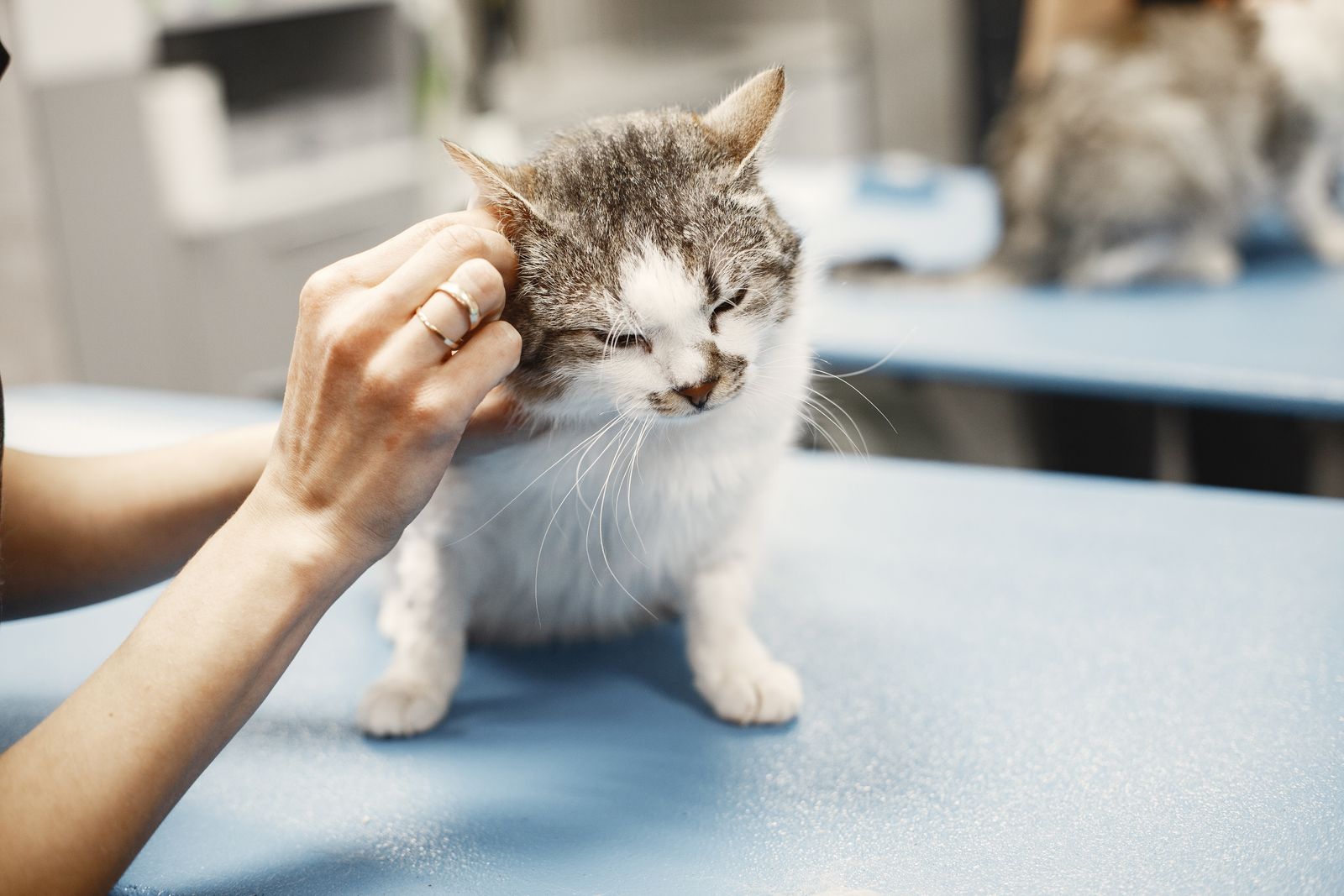
Diabetes at a glance
Diabetes mellitus is a condition in which the body cannot properly produce or respond to insulin, the hormone that moves glucose, the sugar that fuels the body, out of the blood and into the cells. Glucose stays in the blood instead. The pet is surrounded by fuel it cannot use, and the body starts breaking down fat and protein to feed its starved cells. This guide explains the condition in plain language first, for dogs and for cats separately where they differ. It then turns to the insurance questions that decide whether a policy actually helps with a condition measured in years, not episodes.
| What it is | A long term condition in which insulin is missing, insufficient, or not working properly, so blood glucose stays high and glucose spills into the urine |
|---|---|
| The dog version | An absolute insulin deficiency. The insulin producing cells of the pancreas are progressively and permanently lost, so the 2026 AAHA dog guidelines describe a disease that resembles type 1 diabetes in people. Diabetic dogs require insulin therapy |
| The cat version | Mostly insulin resistance. The body produces insulin but its cells respond poorly to it, a pattern Cornell and AAHA compare with type 2 diabetes in people. Some cats also have reduced insulin production over time |
| Typical first signs | Drinking more, urinating more, and losing weight despite a good or increased appetite. Cornell lists increased thirst and urination and weight loss as the signs owners notice first in cats, and the AAHA guidelines name the same classic signs in both species |
| Emergency signs | Diabetic ketoacidosis: a pet that stops eating, vomits, becomes dehydrated, weak, or lethargic as uncontrolled diabetes turns acidic. Low blood sugar from treatment is the second emergency: weakness, wobbliness, seizures |
| How it is diagnosed | Persistently high blood glucose together with glucose in the urine and consistent signs. In cats, a fructosamine test, which reflects average blood glucose over roughly the last two weeks, helps separate true diabetes from a temporary stress spike |
| How it is managed | Insulin as the mainstay for dogs and for many cats, a newer class of oral medication for some newly diagnosed cats, diet therapy, weight management, and lifelong monitoring with glucose curves, fructosamine tests, and rechecks |
| The insurance question | Whether the policy classifies diabetes as a chronic condition that stays covered at renewal, whether insulin and its supplies count as covered medication, and whether the monitoring the condition needs for years is inside the covered services list |
What diabetes is, in plain language
Every cell in a cat or a dog runs on glucose, a sugar made from food. Glucose travels in the blood, but it cannot enter a cell on its own. It needs insulin, a hormone made by the pancreas. Cornell's feline health center describes insulin as the key that unlocks the door to the cell. Insulin attaches to the cell and signals it to absorb glucose. The cell gets its fuel, and the glucose level in the blood falls back to normal.
Diabetes is what happens when the key, the lock, or both fail. Blood glucose climbs because the sugar has nowhere to go. Once glucose in the blood passes the point the kidneys can hold back, it spills into the urine, and it pulls water with it. That single mechanism explains the classic signs. The pet urinates large volumes, loses water, drinks to replace it, and still loses weight, because its cells are starving in the middle of plenty and the body breaks down fat and muscle instead. The AAHA guidelines name the same four classic signs in both species: urinating more, drinking more, eating more, and losing weight.
The dog version: the key is missing
In dogs, the problem is production. The insulin producing cells in the pancreas, called beta cells, are lost progressively and permanently. The 2026 AAHA Diabetes Management Guidelines for Dogs describe the result as an absolute insulin deficiency, a disease that resembles type 1 diabetes in people. Because the dog's body cannot make the key at all, the AAHA guidelines are blunt about treatment. Diabetic dogs require insulin therapy, and oral medications that depend on the body making some of its own insulin do not work in dogs. Insulin resistance can still complicate a dog's regulation, and other diseases can sit behind the diabetes, but the missing insulin is the disease. Owners of a diabetic dog should expect insulin to be a permanent part of the routine, not a bridge to something else.
The cat version: the lock stops answering
In cats, the problem is usually response. Cornell notes that cats with diabetes most commonly have the form in which the body's cells do not respond appropriately to insulin, the pattern compared with type 2 diabetes in people. The pancreas may still produce insulin, at least at first. Years of insulin resistance, often driven by excess weight, strain the beta cells, and amyloid, a protein deposit, can build up in the pancreas and damage them further, as the AAHA cat guidelines describe. That difference is not academic. It is why diet and weight carry so much weight in feline management, why a newer class of oral medication exists for some cats and not for dogs, and why a cat, unlike a dog, can sometimes stop needing insulin altogether. That possibility has its own section below, because it is easy to oversell and it changes the insurance conversation.
One more distinction matters for everything that follows. Diabetes is classified by veterinarians as a manageable condition, not a curable one. Cornell is direct that there is no cure for feline diabetes, even when a cat enters remission. The dog guidelines aim at the same realistic target: control of the clinical signs, with a pet that eats, drinks, urinates, and holds its weight normally. A policy, a budget, and a household routine should all be planned around a condition that is controlled for years, which is exactly the shape of cost that insurance clauses handle unevenly.
Signs at home, sorted by what to do next
Owners usually meet diabetes at the water bowl and the litter box before they meet it as a diagnosis. The bowl empties faster. The litter box is wetter and heavier. The pet is hungry all the time and thinner anyway. The table below sorts the common signs by the response they call for. It is general information, not a diagnosis. Signs like these can have other causes, including kidney disease, thyroid disease, and urinary infection, and only a veterinarian who examines your pet and runs the tests can say what is going on. When in doubt, treat the sign as one level more urgent than the table suggests, and call your vet.
| What you see | What it can mean | What to do next | Write this down |
|---|---|---|---|
| Drinking noticeably more water. Urinating more, larger litter clumps, more trips outside, or accidents in a house trained dog | The earliest classic signs. Glucose spilling into the urine pulls water with it, so the pet urinates more and drinks to keep up | Book a vet visit and mention the change. These signs are not an emergency on their own, but they are the reason diabetes gets found, and they are also signs of kidney and thyroid disease. Do not wait months to see if they settle | When you first noticed the change, and roughly how often you now refill the water bowl compared with before |
| A strong or growing appetite alongside steady weight loss. Ribs or hip bones becoming easier to feel | The cells cannot use the glucose in the blood, so the body breaks down fat and protein. The pet is hungry and losing weight at the same time | Book a vet visit soon. Weigh the pet if you can, and take the number with you. Hunger plus weight loss is a combination a vet will always want to investigate | The pet's weight now and any earlier weight you know, from a past vet visit or a home scale |
| In a cat, walking flat on the back feet, with the hocks close to the ground. In a dog, eyes turning cloudy over a short period | Known complications of uncontrolled diabetes. Cornell describes the flat footed, plantigrade stance in cats as nerve damage in the hind limbs, and cataracts as a common side effect in diabetic dogs | Call the vet this week, sooner if the change is fast. These signs suggest the blood sugar has been high for a while. The cat's stance often improves with treatment, per Cornell, and a dog's eyes deserve a prompt examination | When the change started, and whether it is progressing. A short phone video of the cat's walk helps the vet see what you see |
| A pet already diagnosed and on treatment who becomes weak, wobbly, unusually sleepy, trembling, or has a seizure | These are the signs Cornell lists for low blood sugar, called hypoglycemia, which treatment itself can cause when insulin outruns food. It can be fatal if untreated | Emergency, now. Cornell's advice for a cat showing these signs is to offer its regular food at once, and if the pet will not or cannot eat, to contact a veterinarian immediately. Never put food, fluids, or fingers in the mouth of a convulsing or unconscious pet | The time of the last medication and meal before the episode, exactly as your vet will ask about them |
| A diabetic pet, or a pet with the early signs above, that stops eating, vomits, seems dehydrated, breathes fast, or becomes weak and dull | Possible diabetic ketoacidosis. When cells starved of glucose burn fat for energy, the process creates ketones, chemicals that make the blood more acidic. Cornell calls ketoacidosis a medical emergency that requires hospital care | Emergency, now. Go to a veterinary hospital and say the words possible ketoacidosis when you call ahead. The AAHA guidelines list not eating, dehydration, and vomiting as the presenting signs of this complication | When the pet last ate, drank, and received medication, and when the vomiting or appetite loss began |
The two emergency rows point in opposite directions, and that is worth one clear paragraph. Ketoacidosis is a crisis of blood sugar that stayed too high for too long. Hypoglycemia is a crisis of blood sugar pushed too low, usually by treatment on a day the pet ate less than usual. Both can leave a pet weak and collapsed. An owner cannot reliably tell them apart at home, and the correct response to each is different, which is why both rows end at the same place: a veterinarian, now, with the medication and meal times written down.
The last column matters for insurance as well as for medicine. The notes you make when signs first appear become part of the story an insurer reads later. A dated note about when the drinking changed is worth more than a memory reconstructed after the diagnosis, and it also helps your vet judge how long the condition may have been developing.
Which pets are at risk, and why
Any cat or dog can develop diabetes. But the risk is not spread evenly, and the single largest factor on the cat side is one the owner can influence.
Weight, first. Cornell identifies obesity as one of the most important risk factors for diabetes in cats, and puts it plainly: obese cats are up to four times more likely to develop diabetes than cats at an ideal weight. Physical inactivity travels with it, and most diabetic cats live indoors. Weight matters for dogs too, through a different route. An obese dog that becomes diabetic will usually need its weight addressed as part of management, because Cornell notes that a successful weight loss changes how much insulin a dog requires. This is the thread that runs through several of our breed guides. The big indoor cat breeds carry it openly: see pet insurance for Siberian cats and pet insurance for Russian Blue cats, both of which treat weight driven diabetes risk as a central policy question. On the dog side, the same weight thread runs through pet insurance for Labrador Retrievers and pet insurance for Beagles, two breeds whose guides deal with appetite, weight, and the conditions weight feeds.
Age and sex. Diabetes is mostly a disease of middle aged and older pets in both species. Cornell's canine center notes that dogs over ten years old are more likely to have problems with the condition, and the AAHA guidelines describe most diabetic cats as older as well. Male cats are affected more often than female cats, per Cornell. In dogs, females carry the higher risk, and Cornell notes that a spayed female can be managed well, because the hormonal cycle in an unspayed female makes insulin needs swing.
Other diseases and medicines. Some conditions push a pet toward diabetes or arrive alongside it. Cornell lists pancreatitis, a history of inflammation of the pancreas, and hyperadrenocorticism, called Cushing's disease, among the factors that make diabetic dogs harder to manage, and hypothyroidism as raising a dog's risk. Long term treatment with glucocorticoids, the steroid medicines used for problems such as feline asthma in cats and a range of conditions in dogs, is a named risk factor in both species across the Cornell pages and the AAHA guidelines. Treating the other illness comes first. The point for an owner is narrower: a pet on long term steroids, or with one of these companion conditions, is a pet whose water bowl is worth watching.
Breed. Breed plays a smaller role here than in many conditions on this site, and it should not be overstated. The AAHA guidelines report that Australian Terriers, Beagles, Samoyeds, and Keeshonden are believed to carry a genetic predisposition in dogs, and Cornell's canine center names Tibetan Terriers, Cairn Terriers, and Samoyeds as high risk breeds. For cats, Cornell notes that Burmese cats appear to carry a higher risk in some countries, while adding that this may not hold in the United States. Most diabetic cats are ordinary domestic cats. Breed is a reason to watch a named breed more closely, never a reason to assume a pet is safe or doomed.
Every condition guide on this site is collected on the condition guides hub, and the full list of breed guides is on the breed guides hub and the cat breed guides hub.
How a veterinarian diagnoses diabetes, and how monitoring works
Diagnosis rests on persistence, not on one alarming number. Cornell's feline center describes the standard: the veterinarian demonstrates persistently elevated glucose in the blood and glucose in the urine, alongside consistent clinical signs such as the drinking, urinating, and weight loss from the signs table. The AAHA dog guidelines put the same pairing at the centre of diagnosis in dogs: documenting glucose in the urine together with high blood glucose establishes the diagnosis. A pet that looks diabetic on paper but has no signs, or shows signs with normal results, gets more work, not a label.
Cats add one complication that every cat owner should understand before the first test. A frightened cat at a clinic can spike its blood glucose purely from stress. Cornell calls this stress hyperglycemia, and it can make a healthy cat look diabetic on a single reading. The answer is a test called fructosamine. Fructosamine reflects the average blood glucose over roughly the last two weeks, so a one hour stress spike barely moves it. The 2026 AAHA cat guidelines build the same caution into the diagnosis itself: a diagnosis requires evidence of sustained high blood glucose, such as an increased fructosamine result, or high glucose or glucose in the urine documented on more than one occasion, ideally in a calm or home setting rather than from a single stressed clinic visit. If a vet suggests rechecking before confirming your cat's diagnosis, that is the system working as designed.
Expect the first workup to look wider than blood sugar. Cornell notes that other tests are usually recommended to rule out diseases that can cause the same signs or travel with diabetes, such as a urinary tract infection, chronic kidney disease, pancreatitis, or hyperthyroidism, an overactive thyroid. This matters beyond the medicine. The conditions on that list are exactly the ones an older cat is also being watched for, and our guide to pet insurance for chronic kidney disease in cats covers the one that shares the most signs with diabetes: drinking more, urinating more, and losing weight.
The glucose curve, in plain language
Once treatment starts, the central monitoring tool is the glucose curve. A curve is a series of blood glucose readings taken across a day, plotted so the veterinarian can see the pattern rather than a single point. Cornell's canine center describes the dog version: readings checked about every two hours over a twelve hour period, with feeding times and portions carefully controlled, so the vet can see when the insulin starts to act, when it peaks, how long it lasts, and where the highs and lows fall. Adjustments to the treatment plan are made from that shape. Cornell's feline center describes the same tool for cats, with readings taken through the day starting before the morning treatment, repeated more often in the first weeks after diagnosis and spaced further apart once the cat is stable. A single spot reading, by contrast, can sit at the peak or the trough and mislead everyone, which is why the AAHA dog guidelines treat spot checks as unreliable on their own.
Home monitoring and continuous monitors
Much of diabetes monitoring happens at home, and it is mostly observation, not equipment. Cornell asks owners of diabetic cats to record weight, water intake, and appetite regularly, because those three trends say whether the treatment goals are being met. Cornell gives owners of diabetic dogs the same advice in notebook form: chart the daily routine, the diet, and the activity, so developing problems surface early. Some owners also learn to check glucose at home, from a small blood sample or with urine glucose strips, which Cornell describes as a rough guide rather than a precise measure. A newer option is a continuous glucose monitor, a small sensor placed on the skin at the clinic that records glucose readings every few minutes for days at a time. Cornell describes these systems in both species, and the 2026 AAHA guidelines prefer them for cats, where clinic stress distorts readings most. What home monitoring never includes is changing the treatment on your own. Cornell is explicit for cat owners, and the principle is the same for dogs: readings go to the veterinarian, and the veterinarian adjusts the plan.
Fructosamine keeps a monitoring role after diagnosis as well. Cornell notes it can estimate blood sugar control over the previous two weeks from a single blood draw when a full curve is not an option. Its limit is the mirror of its strength. An average hides the daily highs and lows, and for a condition whose dangers live at both extremes, the curve and the clinical signs still carry information the average cannot.
Daily management: the routine the condition is made of
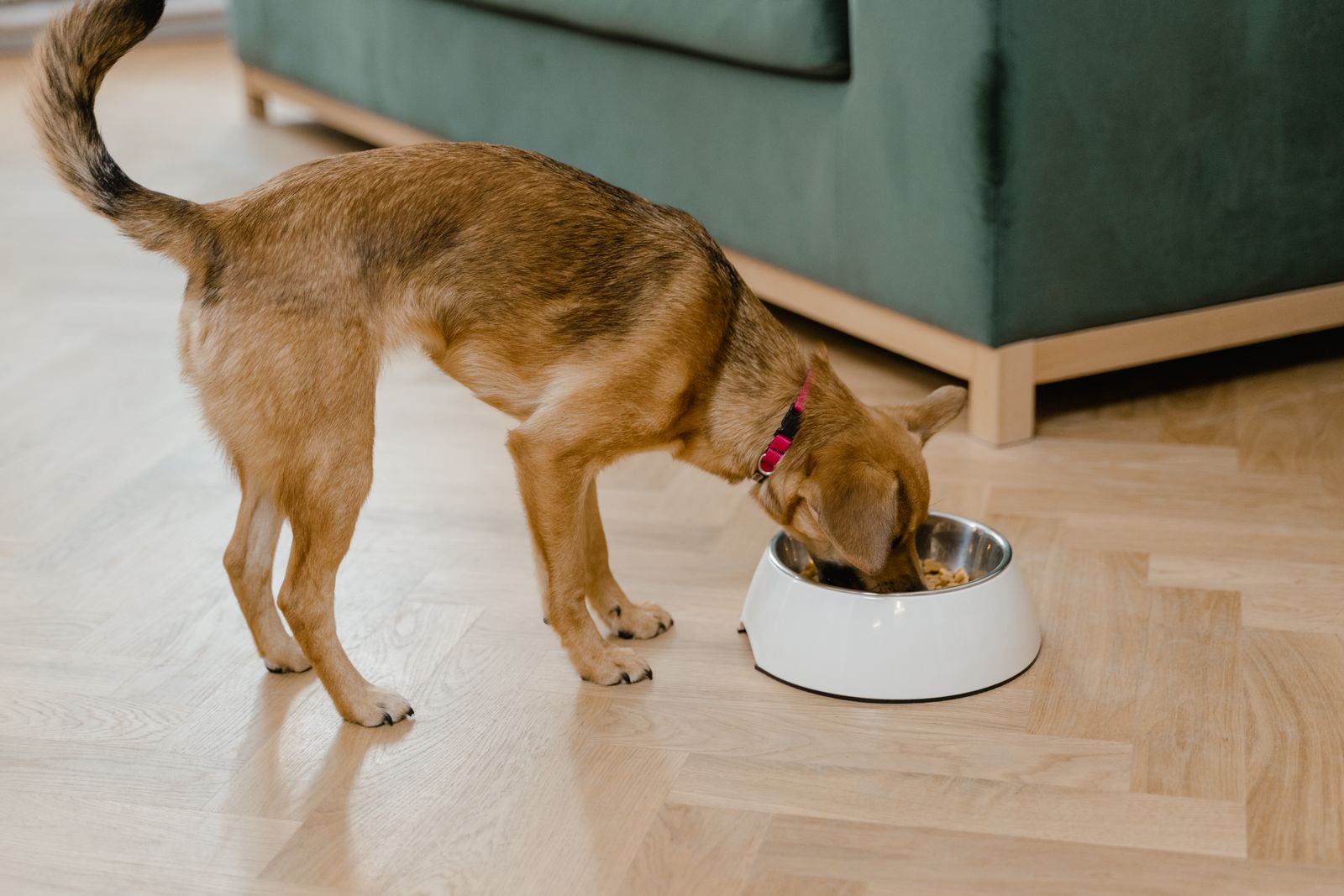
Diabetes care is a routine, and the routine has four parts. This section describes them as categories only. It does not give doses, dose adjustments, or instructions for an individual pet, because those belong to the veterinarian who knows the animal. What an owner can plan for, and what a policy has to keep paying for, is the shape of the routine itself.
Medication, every day
Insulin is the mainstay. Cornell uses that word for dogs, and its feline center calls injectable insulin a mainstay for cats as well. The veterinarian chooses the insulin type and teaches the owner how to handle it. The practical details are part of the category, and Cornell's canine guide lists them: insulin is stored carefully, some types are rolled rather than shaken, it is never used past its expiry date, and the syringes must match the insulin type, because different insulins come in different strengths and use different syringes. Used needles go into a sharps container, and the clinic can advise on disposal where you live. Injections are given under the skin, and Cornell notes in both species that the needles are very small and most pets tolerate the routine well once it is familiar. For cats, there is now a second category to know about. Cornell describes a class of oral medication, called SGLT2 inhibitors, approved for some newly diagnosed diabetic cats that are otherwise healthy and have never been treated with insulin. These medicines lower blood glucose by increasing the amount the kidneys excrete. They are not appropriate for every cat, they do not work for dogs, and choosing between the oral route and insulin is a veterinarian's decision made cat by cat. What matters for this guide is that both routes are daily medication, and both belong in the same policy question: is prescribed medication for this condition covered, month after month?
Food, measured and consistent
Diet therapy is the second part of the routine, and it differs by species in a way that follows from the disease itself. For cats, Cornell advises that a diet low in carbohydrates has been shown to improve blood sugar regulation, and that overweight cats need slow, controlled weight loss under veterinary supervision to reach better control. For dogs, Cornell's advice centres on consistency: the same diet, at the same times each day, with activity planned around it, because food is the raw material the insulin works on. A dog that skips a meal is a change the veterinarian needs to know about, since the day's treatment was planned around that meal. In both species, the food plan is set with the veterinarian and then held steady. Frequent changes make regulation harder to read, for the vet and for the curve.
Weight, as an ongoing project
Weight is not a one time fix in this condition. It is a standing part of management. Cornell's prevention advice for cats, keep the weight healthy and encourage daily play, becomes management advice after diagnosis, because excess weight feeds the insulin resistance that drives the feline disease. In dogs, Cornell notes that insulin needs fall as an obese dog loses weight, which is a reason the veterinarian rechecks regulation during any weight loss program rather than leaving the plan untouched. Activity belongs here too: ordinary, regular activity, planned rather than occasional and strenuous, because unusual exertion can push blood sugar down in a treated pet.
The record the owner keeps
The fourth part costs nothing and ties the other three together. It is the log. Cornell recommends it in both species: food, water, appetite, weight, activity, and the medication given, written down daily or near daily. The log is what turns a recheck visit from a guess into a review. It is also, as the claim section below shows, the document that makes a chronic condition claim easy to support, because it demonstrates ongoing management of a diagnosed condition over time. The checklist at the end of this guide turns this section into a daily, weekly, and per visit routine you can copy.
The cat remission question, explained honestly
Remission is the part of feline diabetes most likely to be oversold, so it deserves a careful statement of what it is and what it is not.
Remission means a cat maintains normal blood sugar without insulin. Cornell's feline center states that with early, thorough treatment, many cats will enter diabetic remission. The 2026 AAHA cat guidelines task force works with an average remission rate of about 30 percent, with most remissions occurring within the first six months of treatment. Both sources agree on the strongest predictor: starting treatment early and monitoring closely. Cornell adds that older cats, cats previously treated with steroid medications, and cats on a particular long acting insulin type have been shown to be more likely to remit, and that a cat which has not remitted within the first six months will almost certainly need insulin for life.
Now the honest limits. Remission is not a cure. Cornell says so in plain words, advises that a cat in remission should stay on its low carbohydrate diet and keep being closely monitored, and notes that some cats in remission eventually need insulin again. The AAHA summary agrees that relapse is common. A cat in remission is a cat whose pancreas is coping again, with help from diet and weight control, not a cat whose disease has been erased. The monitoring does not stop when the injections do. It changes shape.
In dogs, set expectations differently. The AAHA client guidance states that remission seldom occurs in dogs, and the dog guidelines are built around lifelong insulin. The one exception the AAHA summary names is narrow: a dog whose diabetes was triggered by a heat cycle or pregnancy may remit after prompt spaying. For the typical diabetic dog, the plan is permanent management, and any source that suggests otherwise should be read with suspicion.
The insurance angle follows directly. A cat in remission still has diabetes in its medical record, and the condition can return. Ask the insurer, in writing, how the plan treats a condition in remission. Does monitoring during remission count as covered care for the condition? If the cat relapses in a later policy year, is the returning diabetes treated as the same chronic condition continuing, or does the plan try to treat it as something new? And if the plan classifies conditions as curable after a symptom free period, does it apply that label to a condition the veterinary sources call incurable? The answers decide whether remission is a financial relief as well as a medical one.
The policy clauses that decide a diabetes claim
Most pet insurance disputes about diabetes are not arguments about what happened at the clinic. They are arguments about how a repetitive, lifelong cost fits a contract written around episodes. Eight clauses do nearly all of that deciding. The table below names each clause, explains what it does in plain language, and states the question to settle for diabetes specifically. Every answer lives in the insurer's sample policy, which is the full contract wording, not the marketing summary. Read it before you enroll, and keep the answers in writing. Our guide to what pet insurance covers explains how these clause types work across conditions.
| Clause to check | What it means | The diabetes question to settle |
|---|---|---|
| Chronic condition classification | Some plans cover a long term condition for as long as the policy runs. Others classify conditions in ways that limit how long, or across how many policy years, one condition can be claimed for | Is diabetes treated as a chronic condition that stays covered year after year at renewal, with no time limit and no per condition cap that a lifelong condition would eventually exhaust? |
| Curable versus chronic wording | Some plans treat a condition as curable and restore full cover after a symptom free period, which can also mean the condition is only covered for a limited window after diagnosis | Diabetes is managed, not cured, and even a cat in remission can relapse. Does the plan's curable wording risk pushing diabetes out of cover after a set period, and how does it treat a remission and a relapse? |
| Prescription medication coverage | The contract states whether prescribed medication for a covered condition is included, and any conditions on where it is supplied or how often it can be claimed | Is insulin, and for cats the oral medication category where prescribed, covered as medication for a covered chronic condition, with no monthly or annual medication sublimit that a daily drug would hit? |
| Supplies coverage wording | Medication and the equipment used to give or measure it are often treated as different categories. Syringes, test strips and solutions, and sensor monitors may fall outside the medication benefit | Are syringes, glucose testing supplies, and a continuous glucose monitor, when the veterinarian uses one, covered as part of treatment, excluded as consumables, or covered only under a wellness add-on? |
| Monitoring coverage | Diabetes requires scheduled diagnostics for life: glucose curves, fructosamine tests, and recheck examinations. Plans differ on whether repeat monitoring of a known condition is covered the same way as diagnosing a new one | Are glucose curves, fructosamine tests, and recheck visits for an already diagnosed, covered condition paid for, and is there any limit on how many monitoring visits or tests a year the plan will cover? |
| Pre-existing condition definition | A pre-existing condition is one whose signs appeared before the policy started or during a waiting period, whether or not it was formally diagnosed | Would an earlier record note about drinking more, urinating more, weight loss, or a single high glucose reading make later diabetes care pre-existing? For a condition with a slow, signposted onset, this definition does heavy work |
| Waiting periods | Plans delay coverage for illness for a set period after enrollment, and some apply longer delays to named categories. Our guide to waiting periods explains how these delays work | What illness waiting period applies before diabetes can be covered, and does the plan attach any longer or special waiting period to endocrine or chronic conditions? A diagnosis inside the window is not covered, however clear it is |
| Annual limit and renewal terms | The annual limit caps what a plan pays in a policy year, and renewal is when classification, limits, and premiums are revisited. A daily condition claims steadily in every year, not just a bad one | Picture a year containing the diagnosis workup, a year of medication and supplies, regular monitoring, and one ketoacidosis hospital stay. Does the limit hold that year with room to spare, and does the deductible restart each year? |
Two of these rows deserve emphasis because they catch owners out most often. The supplies row is a quiet one. A plan can honestly say it covers diabetes medication while the syringes, testing supplies, and monitoring sensors that make the medication usable sit in a different category with a different answer. Because those costs repeat monthly for years, a small wording difference here is worth more than a headline difference in the annual limit. The pre-existing row is a records trap. Diabetes announces itself slowly, in water bowls and litter boxes, and owners often mention the change at a routine visit months before anyone runs a test. That casual note, written before you thought about insurance, can be the document that decides the claim. Enroll while the record is clean if you can, and never hide a sign from your vet to protect a future claim. The pet's care comes first, and a hidden sign helps no one at claim time either.
A diabetes claim, step by step
This walkthrough uses no money figures, because medication, supply, and monitoring prices vary by region, clinic, and pharmacy, and invented figures would not help you judge a real policy. It follows the sequence of a typical claim so you can see where the paperwork is created, and it ends with the year that matters most for this condition: the renewal year.
- The signs are noticed. You see the drinking, urinating, appetite, or weight changes from the signs table. You write down when they started and book a vet visit. Those dated notes later anchor when the condition began, which is a fact insurers check.
- The diagnosis visit. The veterinarian runs the blood and urine tests, confirms persistent high blood glucose with glucose in the urine, and checks for companion problems such as infection or kidney disease. The record written at this visit, signs, results, and diagnosis, is the foundation of every claim that follows.
- The management plan is set. The vet chooses the medication category, sets the food plan, teaches the routine, and schedules the first glucose curve or fructosamine recheck. Keep the written plan. It shows the insurer that the ongoing claims follow a veterinarian's management of a diagnosed condition.
- Filing the first claim. You submit the claim form with the invoices and the medical record for the diagnosis. Most insurers also ask for the pet's full history from every vet the pet has seen, because the pre-existing check runs on the whole record, not only this visit.
- The assessment. The insurer matches the diagnosis against the clauses in the table above. Was the pet enrolled and past the waiting period before the first recorded sign? Is diabetes chronic classified in this plan? The answers, not the size of the bill, decide the outcome.
- The recurring claims. Medication refills, supplies, curves, fructosamine tests, and recheck visits follow for years. File them as they happen, under the same condition, and keep the home log with them. A log that shows steady management is the strongest supporting document a chronic condition claim can carry.
- Reimbursement and the deductible. For accepted claims, the plan applies the deductible, which is the amount you pay first, and the reimbursement percentage stated in the policy, up to the remaining annual limit. Our guide to how pet insurance works walks through that arithmetic with a labelled hypothetical example.
- The emergency claim. If ketoacidosis or a low blood sugar crisis sends the pet to a hospital, that claim is filed like any other, with the hospital record attached. Whether the emergency is treated as part of the covered chronic condition or argued over as a separate event is one of the things the chronic classification row decides, which is why it is worth settling before it happens.
The renewal year, walked through
This scenario is hypothetical and uses no figures. It exists to show where the classification clause does its work. Imagine a cat enrolled as a healthy adult, with a clean record. In the first policy year, after the waiting period, the cat is diagnosed with diabetes. The diagnosis claim is accepted, medication and monitoring claims follow through the year, and the cat's log shows steady management. The policy then renews.
Under a chronic classification, the second year looks like the first. Diabetes remains a covered condition under the new policy year. The deductible applies again as the policy describes, medication and monitoring claims continue, and the only changes are the ordinary ones of a renewal, such as a new premium. Under a curable condition classification with a limited cover window, the same cat, with the same diagnosis and the same log, can reach a point where diabetes claims stop being accepted, because the plan's window for that condition has closed, even though the disease has not changed at all. Nothing about the cat differs between those two futures. Only the wording purchased in year one differs. That is the whole argument of this guide in one example, and it is why the classification questions in the checklist below come before questions about limits or price.
The same cat adds one more twist worth settling in advance. Suppose the cat enters remission in the second year, stops medication, and relapses in the fourth. Under a chronic classification, the relapse is the same covered condition resuming. Under wording that treats a symptom free period as a cure, an insurer may argue the relapsed diabetes is a new condition, or, worse, a pre-existing one. Neither argument is available to test at the pharmacy counter. Both are settled, one way or the other, by the sample policy you read before enrolling.
If a claim is denied, ask for the denial in writing with the exact clause cited. A denial that names a clause can be checked against the sample policy you read at purchase. A denial based on an earlier record note can be answered with the timeline you kept from the first signs. Neither guarantees a reversal. Both turn an argument into a document review, which is the ground where owners do best.
Before you enroll a pet at risk of diabetes
- Get a written answer on whether diabetes is classified as a chronic condition under the exact plan you are considering, covered for as long as the policy runs.
- Ask whether any curable condition wording, symptom free rule, or per condition time limit could push diabetes out of cover after a set period.
- Confirm that prescribed medication for a covered chronic condition is included, and ask whether insulin must be supplied by the veterinarian or can be filled at a pharmacy.
- Ask about supplies by name: syringes, glucose testing supplies, and continuous glucose monitor sensors. Note which category each one falls into.
- Ask whether glucose curves, fructosamine tests, and recheck examinations for an already diagnosed condition are covered, and whether any yearly count applies.
- Ask what earlier signs count as pre-existing for diabetes: increased drinking, increased urination, weight loss, or a single high glucose reading at a past visit.
- Find the illness waiting period in the sample policy, and ask whether any longer period applies to endocrine or chronic conditions.
- Ask how a cat in remission is treated: whether monitoring during remission is covered, and how a relapse in a later year is classified.
- Choose the annual limit by picturing a diagnosis workup, a full year of medication, supplies, and monitoring, and one emergency hospital stay in a single policy year.
- Enroll while the medical record shows no diabetes signs if you can, and start the home log habit now, while it is a health habit rather than claim paperwork.
Questions to ask an insurer, in writing
Copy these into an email or the insurer's contact form, and keep the reply with your policy. Written answers are the ones that can be quoted back at claim time.
- Is diabetes classified as a chronic condition under this plan, and will it stay covered at every renewal for as long as I keep the policy?
- Does any curable condition rule, symptom free period, or per condition limit apply to diabetes? How is a cat in diabetic remission treated, and what happens if the cat relapses in a later policy year?
- Is insulin covered as prescribed medication for a covered condition, and must it be supplied by my veterinarian, or can I use a pharmacy?
- Are syringes, glucose test strips and solutions, and continuous glucose monitor sensors covered, excluded, or covered only under a wellness add-on?
- Are glucose curves, fructosamine tests, and recheck examinations for an already diagnosed condition covered, and is there a limit on how many are paid for in a year?
- My pet's record contains a note about drinking more water at a past visit. Would that make later diabetes treatment pre-existing under this plan?
- If my pet is hospitalised with diabetic ketoacidosis, is that treated as part of the diabetes condition for claim purposes?
For the wider comparison method behind these questions, see how to compare plans and what pet insurance covers. For the money side in general terms, see what shapes the cost of pet insurance.
The daily care and monitoring checklist
This is the tool this guide exists to hand you. It turns the management section into a routine, in the categories Cornell recommends owners track: medication, food, water, appetite, weight, and activity. It is a general template, not instructions for an individual pet. Your veterinarian's plan for your pet replaces any item here that differs.
| When | Do this | Why it is on the list |
|---|---|---|
| Every day, medication | Give the medication exactly as the veterinarian's plan sets out, at the planned times, and tick it off in the log. Note any dose the pet did not receive, and why | The log of given and missed medication is the first thing a veterinarian asks about when regulation slips, and it protects against an accidental double dose in a multi person household |
| Every day, food | Feed the planned food, in the planned amount, at the planned times. Note a skipped or partial meal and tell the veterinarian, because the day's treatment was planned around that meal | Food is the raw material the medication works on. A pet that stops eating is also one of the presenting signs of ketoacidosis, so a missed meal is information, not a detail |
| Every day, water and output | Note whether drinking and urinating look normal for your pet, heavier than usual, or lighter. For cats, note the litter box. For dogs, note accidents or extra trips out | Drinking and urinating are the earliest visible gauge of control. Cornell asks owners to track water intake for exactly this reason, and a return of heavy drinking is often the first sign of a relapse in a cat in remission |
| Every day, the pet | Note appetite, energy, and demeanour in a word or two. Note anything from the emergency rows of the signs table at once, and act on it the same day | The AAHA guidelines judge control by the clinical signs, not by numbers alone. A pet that eats, drinks, urinates, and behaves normally is the goal every other item serves |
| Every week | Weigh the pet if you can do it calmly at home, and record it. Review the week's log for patterns: rising water intake, falling appetite, weight drifting either way | Weight is a management target in both species, and trends across a week are easier to see on paper than in memory. This weekly review is what you bring to recheck visits |
| At every recheck | Bring the log, the medication and supply list, and your questions. Expect some combination of examination, weight check, and a glucose curve or fructosamine test, and leave with the next recheck date set | Monitoring is a permanent part of this condition, not a phase. Cornell describes curves repeated through the first weeks and then spaced out in a stable pet, with rechecks continuing because needs change over time |
| Always | Keep medication stored as the clinic instructed, syringes matched to the medication type, used needles in a sharps container, and a reserve supply that never quite runs out | A daily condition fails on logistics before it fails on medicine. Running out of a matched supply on a holiday weekend is the most preventable crisis in this routine |
Frequently asked questions
Is diabetes covered by pet insurance?
It depends on the exact policy. Diabetes is an illness, and many plans treat it as a covered chronic condition when it is diagnosed after enrollment and after any waiting period has passed. The limits are in the details. A plan may cover the diagnosis and the medication but treat syringes, test supplies, or monitoring visits differently, and a diagnosis made before the policy started is normally handled under the pre-existing rules. The only reliable answer comes from the sample policy for the plan you are considering, confirmed in writing.
My pet was already diagnosed with diabetes. Can insurance still help?
For the diabetes itself, usually not under a standard plan. A condition diagnosed before the policy started, or whose signs were recorded during a waiting period, is treated as pre-existing, and most plans exclude pre-existing conditions. Some plans restore cover for conditions they class as curable after a symptom free period, but diabetes is a long term condition rather than a curable one, so do not count on that route. A policy can still be worth reading for everything else it covers, because a diabetic pet can still have accidents and unrelated illnesses. Ask the insurer, in writing, exactly how the existing diagnosis will be treated before you pay a premium.
Does pet insurance pay for insulin and the supplies that go with it?
Only if the policy wording says so. Insulin is a prescription medication, so the first check is whether prescribed medication for a covered chronic condition is included, and whether it must be supplied by the veterinarian or can be filled at a pharmacy. Syringes, glucose test supplies, and sensor based monitors are a separate question. Some plans treat them as part of treatment, others treat them as consumable supplies outside the medication benefit, and some cover them only under a wellness or routine care add-on. Because this cost repeats every month for years, settle it in writing before you enroll, not at the first refill.
My cat went into remission. Does that mean the diabetes is gone, for insurance purposes too?
Medically, remission means the cat is keeping normal blood sugar without insulin, and Cornell advises that a cat in remission still needs its low carbohydrate diet and close monitoring, because some cats need insulin again later. For insurance, the diagnosis stays in the medical record either way. How a plan treats a condition in remission is a policy question. Ask whether diabetes in remission is still classified as a chronic condition under the plan, whether monitoring visits during remission are covered, and what happens to cover if the cat relapses and needs insulin again. Get the answers in writing while the cat is well.
Does insurance pay for glucose curves, fructosamine tests, and monitoring visits?
Only if monitoring is inside the plan's covered services. The diagnosis visit is one thing. The repeat work that diabetes needs for years, glucose curves, fructosamine tests, recheck examinations, and in some cases a continuous glucose monitor, is another. Some plans cover diagnostics for a covered condition without separating monitoring out. Others limit how often a test is paid for, or treat routine monitoring as wellness care. Read the covered services list and the diagnostics wording with monitoring in mind, because for this condition the monitoring is not an extra. It is a permanent part of the treatment.
Can diabetes be prevented?
Not reliably, but the biggest controllable risk can be reduced. Cornell identifies obesity as a leading risk factor in cats, notes that obese cats are up to four times more likely to develop diabetes than cats at an ideal weight, and advises keeping a cat at a healthy weight with daily play. Weight matters for dogs as well, and Cornell advises weight loss for obese diabetic dogs because it changes how much insulin they need. Other risk factors, such as age, sex, breed, pancreatitis, and long term steroid treatment for another illness, are mostly outside an owner's control. A lean, active pet has better odds, not a guarantee.
Sources and further reading
- American Animal Hospital Association, 2026 AAHA Diabetes Management Guidelines for Dogs
- American Animal Hospital Association, 2026 AAHA Diabetes Management Guidelines for Cats
- American Animal Hospital Association, Key differences between diabetes in cats and dogs (guidelines task force summary)
- Cornell Feline Health Center, Feline Diabetes
- Cornell Riney Canine Health Center, Managing canine diabetes
Sources checked on November 6, 2026. CoverageForPets is operated by its publisher and researched from the primary sources listed above. This guide is general information only. It is not veterinary advice and not a recommendation to buy any specific policy.