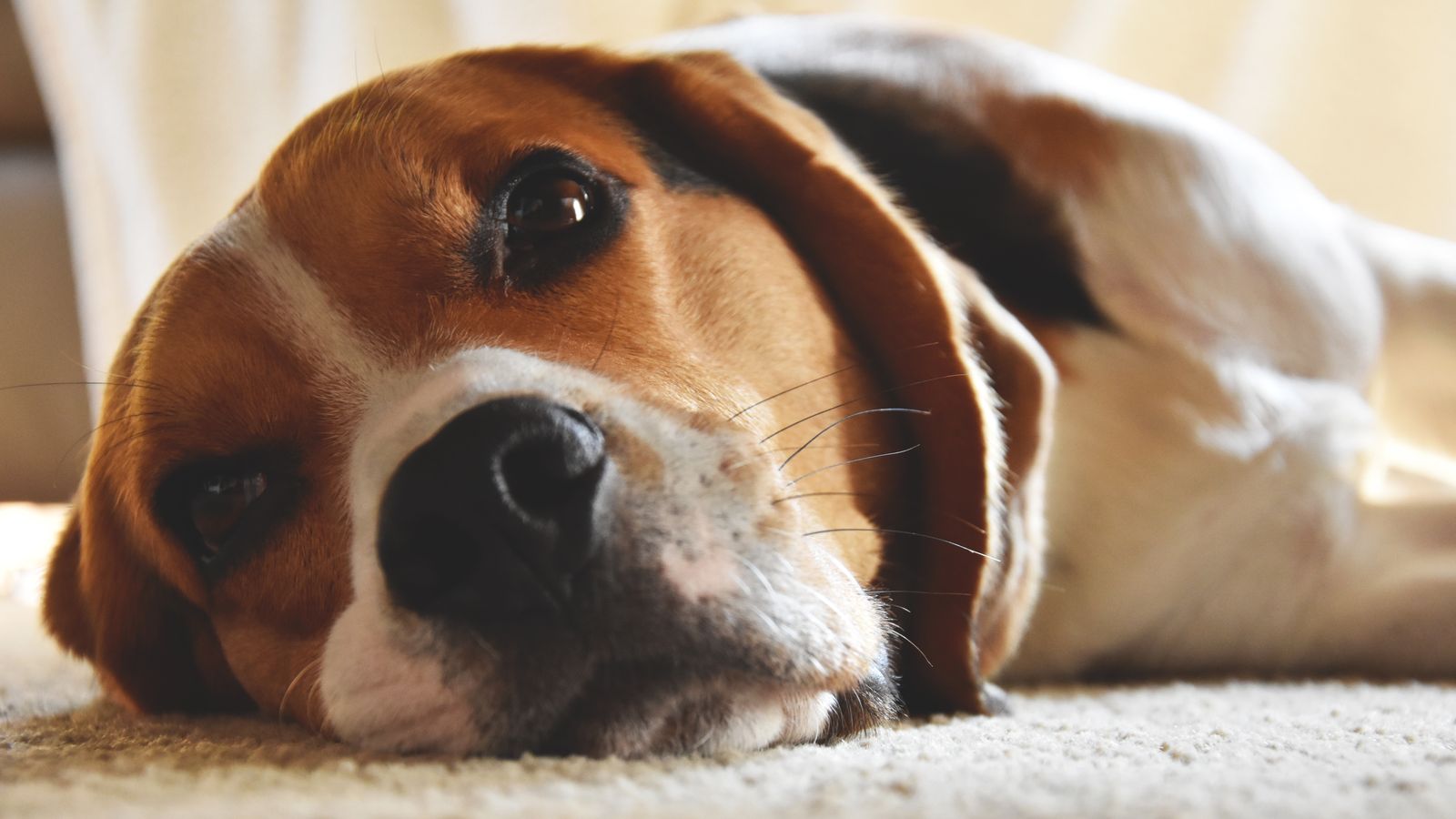
Epilepsy at a glance
Epilepsy is a brain condition in which a dog has repeated seizures that are not provoked by a temporary cause. A seizure is a burst of abnormal, excessive activity in the brain cells. The AKC Canine Health Foundation describes epilepsy as the most common neurological disorder in dogs, affecting roughly 1 in 100 dogs. This guide explains the condition in plain language first, including the three kinds of seizure problem a veterinarian separates. It then turns to the insurance questions that decide whether a policy actually helps, which for this condition begin with the diagnostic workup rather than with the medication.
| What it is | A brain disease with an enduring tendency to generate epileptic seizures, in the International Veterinary Epilepsy Task Force wording. The seizures themselves are bursts of abnormal, excessive activity in brain cells |
|---|---|
| The three kinds | Idiopathic epilepsy, where no cause is found and a genetic basis is proven or suspected. Structural epilepsy, where a problem inside the brain causes the seizures. Reactive seizures, where a normal brain reacts to a problem elsewhere in the body, such as low blood sugar, liver disease, or a toxin |
| Who it affects | Any dog, purebred or mixed. The AKC Canine Health Foundation puts epilepsy at roughly 1 in 100 dogs and calls it the most common neurological disorder in dogs. Cornell notes it is more common in some purebred breeds, including Beagles |
| Typical first seizures | Cornell places the usual onset of idiopathic epilepsy between 6 months and 6 years of age, with a median age of onset of 2.5 years |
| Emergency signs | A seizure lasting more than five minutes, called status epilepticus. Several seizures within a 24-hour period, called cluster seizures. A dog that does not return toward normal between episodes |
| How it is diagnosed | By exclusion. A physical and neurological examination, bloodwork and a urine test first. Brain MRI and spinal fluid analysis at the next level of confidence, to rule out a structural cause inside the brain |
| How it is managed | Daily anti-seizure medication when seizures are frequent or severe enough to warrant it, with regular monitoring bloodwork. Cornell notes that once medication starts, it is typically needed for life, and that complete freedom from seizures is rare |
| The insurance question | Whether the policy covers the exclusion workup as well as the medication, whether one earlier recorded episode makes the condition pre-existing, and whether a covered chronic condition stays covered at renewal for the life of the dog |
What epilepsy is, in plain language
A seizure is an event, not a diagnosis. Cornell's veterinary school describes it as abnormal, excessive activity of the brain cells, particularly in the cerebral cortex, the outer part of the brain. During that burst of activity the dog may fall over, stiffen, paddle its legs, drool, or lose consciousness. Other seizures are far quieter, and the signs section below covers both kinds. A single seizure tells a veterinarian that something happened. It does not yet say why.
Epilepsy is the name for the lasting tendency behind repeated seizures. The International Veterinary Epilepsy Task Force, shortened to IVETF, is the group of veterinary neurology specialists that published the consensus definitions the profession uses. It defines epilepsy as a brain disease characterised by an enduring predisposition to generate epileptic seizures. In practice, that means seizures that keep coming from the brain itself, rather than one seizure provoked by a passing problem elsewhere in the body.
The IVETF separates seizure problems into three kinds, and the separation matters because each kind has a different cause, a different treatment, and a different insurance story.
Idiopathic epilepsy. Idiopathic means no identifiable cause is found. Cornell calls this the most common cause of seizures in dogs. The brain looks structurally normal, bloodwork finds no body-wide cause, and yet the seizures repeat. A genetic component is known in some breeds and suspected in others, which is why this kind of epilepsy is also discussed as genetic or suspected genetic epilepsy. It is a diagnosis of exclusion, a point the diagnosis section returns to, because the label is earned by negative test results.
Structural epilepsy. Here the seizures are caused by a problem inside the brain itself. Cornell and the IVETF list examples such as a tumour, inflammation or infection of the brain, head trauma, and a stroke. Finding a structural cause changes the treatment completely, because the underlying problem is treated alongside the seizures. It is also the reason imaging sits in the middle of the workup. A dog whose seizures come from a growth in the brain does not have the same condition as a dog whose brain scans clean, even if the seizures look identical at home.
Reactive seizures. These are seizures in a normal brain that is reacting to a temporary problem elsewhere in the body. Cornell lists metabolic disorders such as low blood sugar or low blood calcium, liver disease and liver shunts, kidney disease, and toxins among the causes. The practical point is hopeful. If the underlying problem can be corrected, reactive seizures can stop. A dog that seized because of a toxin exposure does not have epilepsy, and confusing the two leads to the wrong treatment and the wrong insurance expectations.
The IVETF tiers of confidence, explained simply
Because idiopathic epilepsy has no single positive test, the IVETF grades how confident a diagnosis is in three tiers. Think of them as three depths of ruling things out. Tier I is the first depth. It rests on a history of two or more unprovoked seizures at least 24 hours apart, a first seizure between six months and six years of age, a normal physical and neurological examination between seizures, and no significant abnormalities on the minimum blood tests and urinalysis. Tier II adds the next depth: normal fasting and post-meal bile acid tests, which check liver function, an MRI scan of the brain done to an epilepsy-specific protocol, and analysis of the cerebrospinal fluid, the fluid that surrounds the brain and spinal cord. Tier III adds electroencephalography, a recording of the brain's electrical activity, showing abnormalities characteristic of a seizure disorder.
| Tier | What has been established | What it adds |
|---|---|---|
| Tier I | Two or more unprovoked seizures at least 24 hours apart, first seizure between six months and six years of age, a normal physical and neurological examination between seizures, and no significant abnormalities on the minimum blood tests and urinalysis | The starting depth. A body-wide reactive cause visible on basic blood and urine testing becomes less likely, and the history fits the usual pattern of idiopathic epilepsy |
| Tier II | Everything in Tier I, plus normal fasting and post-meal bile acid tests, an unremarkable MRI scan of the brain done to an epilepsy-specific protocol, and unremarkable spinal fluid analysis | The deeper depth. A structural cause inside the brain has been looked for with imaging and fluid testing and not found, and liver function has been checked directly |
| Tier III | Everything in Tiers I and II, plus electroencephalography showing abnormalities characteristic of a seizure disorder | The fullest depth. The brain's electrical activity itself supports the diagnosis, rather than the diagnosis resting only on what the other tests failed to find |
Two things follow from the tiers for owners. First, a diagnosis can be honest at Tier I and still be a working diagnosis, because the deeper tests have not been done. Cornell makes the same point in practical terms. Where referral for imaging is limited, a presumptive diagnosis can rest on normal bloodwork and a normal neurological examination once the dog has recovered from the post-seizure phase. Second, the tiers explain why the paperwork grows as the workup deepens. Each tier is another set of results an insurer can later read, and the difference between a Tier I and a Tier II workup is a real difference in what the claim file contains.
One more distinction matters for everything that follows. Epilepsy is usually a condition a dog lives with, not a condition that is cured and closed. Cornell notes that many dogs achieve good seizure control on medication, that complete disappearance of all seizures is rare, and that medication, once started, is typically lifelong. That single fact shapes the insurance half of this guide. A policy for this condition is not judged on one emergency night. It is judged on whether it is still standing at the fifth renewal.
What a seizure looks like, and what to do during one
Owners usually meet epilepsy as a frightening few minutes at home before they meet it as a word in a record. Cornell describes seizures in three phases. The pre-ictal phase comes before the seizure. It can be subtle, such as restlessness, anxiety, or clingy behaviour, and it may not be noticeable at all. The ictal phase is the seizure itself, usually lasting seconds to a few minutes. The post-ictal phase is the recovery period afterward, when the brain is resetting. Confusion, disorientation, sleepiness, and sometimes food craving are common in that phase, and it can last far longer than the seizure did.
The best known form is the generalised seizure, sometimes called a grand mal or tonic-clonic seizure. Cornell describes a dog that suddenly falls over, with stiffening and paddling movements of all four limbs, frothing or drooling at the mouth, possible loss of bladder or bowel control, and loss of consciousness. The dog is not aware of its surroundings during the event and cannot be called out of it by name. Other generalised forms are quieter, including a dog that stands, stares, and does not respond.
Focal seizures involve only one smaller region of the brain, and they are easier to miss or to mistake for something else. Cornell's examples include repeated twitching of one set of muscles, such as an eyelid, lip, or ear, increased salivation, dilated pupils, and fly-biting behaviour, where a dog repeatedly snaps at an imaginary fly. A focal seizure may or may not involve loss of consciousness, and it can spread into a generalised seizure, so a dog having one should be watched closely until it passes. A description of signs is general information, not a diagnosis. Events that look like seizures can have other causes, including heart and metabolic problems, and only a veterinarian who examines your dog can say what an episode was.
During a seizure: safety first
- Time it. Look at a clock or start a phone timer as soon as you can. Duration is the single fact that decides whether this is a watch-and-call event or an emergency, and it is the fact owners are least able to reconstruct afterward.
- Make the space safe. Move objects away that could break, fall on the dog, or injure it while it paddles. If the dog is near stairs, Cornell advises staying below the dog on the steps, if you can do so safely, so it cannot fall further.
- Keep away from the mouth. Do not put your hand, or anything else, in the dog's mouth. Cornell is direct about this. A seizing dog is not aware of its surroundings and is not in control of its movements, and a well meant hand can be bitten. The old idea that a dog can swallow its tongue during a seizure is not a reason to reach in.
- Do not hold the dog down or hug it tightly. Stay close, speak calmly if you wish, and let the movements run their course. Restraint does not shorten a seizure and can injure you or the dog.
- Film it only if it costs nothing. A short phone video is genuinely useful to the veterinarian, because many owners cannot describe afterwards whether the episode was generalised or focal. Take one only if the dog is safe, the timing is running, and someone else can watch the dog.
- Watch the recovery. Note how long the confusion lasts and whether the dog returns to normal. In the post-ictal phase a dog may be disoriented, and Cornell cautions that this can occasionally be expressed as uncharacteristic behaviour, so give the dog space while it comes back to itself.
The habits in this section are also the start of the claim file, even though that is the last thing on an owner's mind during an episode. A timed duration, a date, and a note of how recovery went are exactly the entries the seizure log in the checklist section is built from. Written on the day, they are evidence. Reconstructed weeks later, they are an estimate, and insurers and veterinarians both treat the two differently.
Which dogs are at risk, and why
Any dog can have seizures, and any dog can develop epilepsy. The AKC Canine Health Foundation puts epilepsy at roughly 1 in 100 dogs across the whole population. But the risk is not spread evenly, and the pattern runs through bloodlines.
Cornell notes that epilepsy is more common in purebred dogs, and names Beagles, Bernese Mountain Dogs, Border Collies, Boxers, Cocker Spaniels, Labrador Retrievers, and Golden Retrievers among the breeds where it appears more often. Its seizure management guidance adds Schnauzers, Collies, and Basset Hounds to the list of breeds with higher rates of seizure conditions. The AKC Canine Health Foundation has funded epilepsy research for decades, including work on genetics and heritability, and notes that a genetic component is known or suspected across many breeds. There is no simple test that clears an individual dog. A breeder's honest record of seizures in the lines is part of the screening picture a puppy buyer can ask about.
Age is the second pattern, and it is a diagnostic clue in its own right. Cornell places the typical onset of idiopathic epilepsy between 6 months and 6 years of age, with a median age of onset of 2.5 years. Seizures that begin outside that window point the veterinarian in a different direction first. A dog under a year old is more likely to have a congenital defect, an intoxication, or an infectious disease. A dog over six years old at its first seizure is more likely to have a metabolic disorder or a structural problem in the brain, such as a tumour or a stroke. The IVETF builds the same reasoning into its recommendations. It advises MRI of the brain and routine spinal fluid analysis, after reactive causes are excluded, for dogs whose first seizure comes before six months or after six years of age, and for dogs with abnormal findings between seizures.
Sex may play a smaller part. Cornell notes that male dogs may be more predisposed to idiopathic epilepsy than females. That is a tendency, not a prediction about an individual dog, and it does not change what an owner should check in a policy.
For the breed-by-breed detail, see our guides to pet insurance for Beagles and pet insurance for Australian Shepherds, two breeds where epilepsy sits near the centre of the insurance decision and where the workup and the renewal wording carry the whole policy. The full list of breed guides is on the breed guides hub, and every condition guide on this site is collected on the condition guides hub. Our guide to pet insurance for IVDD covers the other great exclusion-and-records condition in dogs, where a single early note in the record can also decide a claim years later.
How epilepsy is diagnosed: the exclusion workup
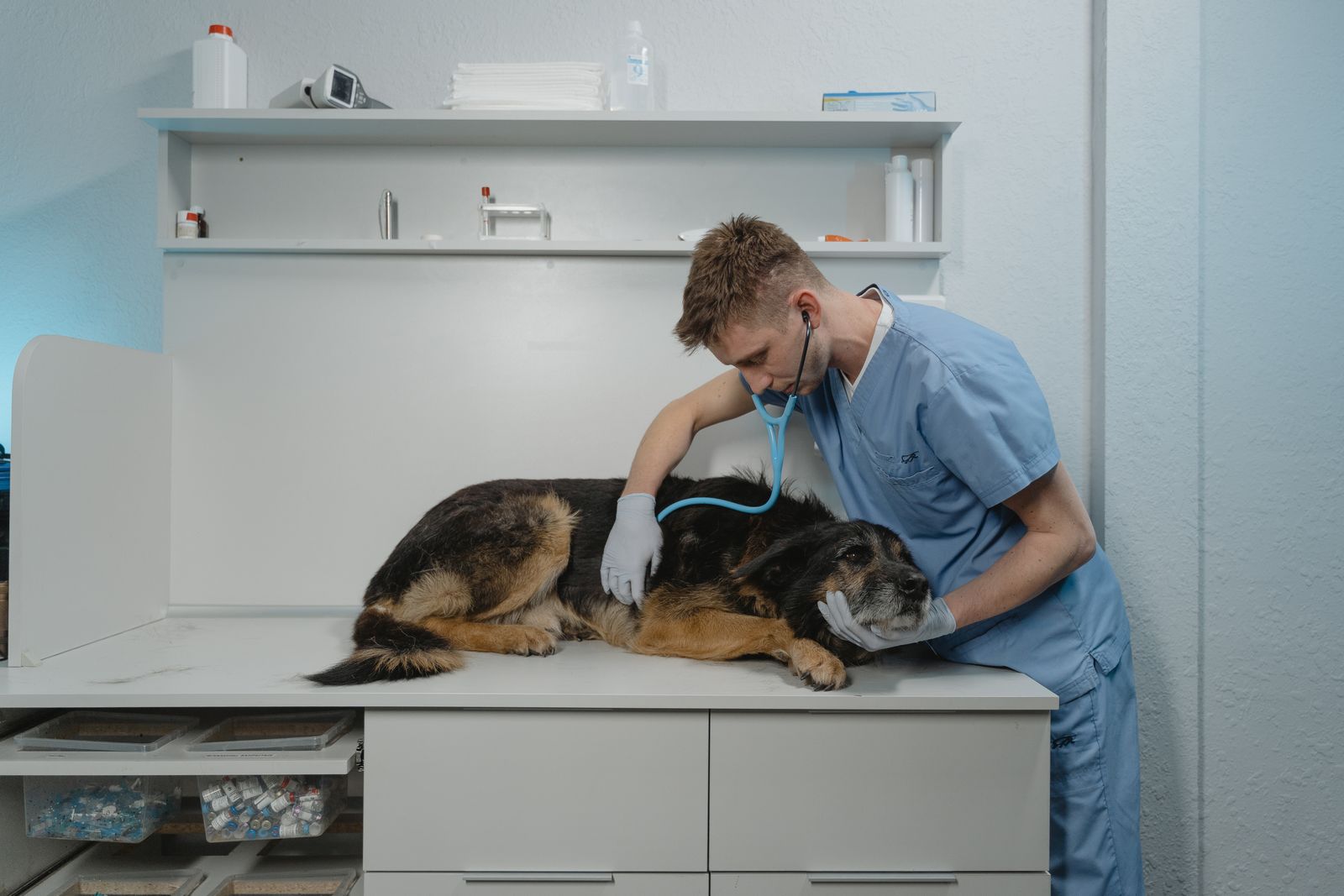
Diagnosis starts with the story, not the scanner. The veterinarian takes a history of the episodes, including when they began, how often they happen, what they look like, and how the dog behaves between them. Your seizure log and any video belong in this conversation. The vet then performs a physical examination and a neurological examination. A dog with idiopathic epilepsy is expected to be normal between seizures, so findings in that in-between period, which vets call the inter-ictal period, push the search toward a structural or reactive cause instead.
The first tests look outside the brain. Cornell lists bloodwork, meaning a complete blood count and a biochemistry panel, and a urine test, used to assess overall health and rule out body-wide illness. This is the minimum database in the IVETF Tier I criteria. It is how reactive causes are caught: low blood sugar, low blood calcium, liver and kidney problems, and other metabolic disorders can all produce seizures in a brain that is itself normal. Bile acid testing, which checks how the liver is working, is part of the Tier II level. Skipping this layer would risk calling a dog epileptic when the real problem is a liver that can be treated.
The next layer looks inside the brain. MRI is the imaging best suited to ruling out structural problems such as inflammation or a tumour, in Cornell's description. Cerebrospinal fluid analysis examines the fluid that surrounds the brain and spinal cord for abnormalities such as infection, inflammation, or cancer cells. Together, MRI and spinal fluid analysis are the Tier II tests in the IVETF system. They usually mean a referral to a veterinary neurologist and a general anaesthetic, because a dog must lie completely still inside the scanner. A third layer, electroencephalography, records the brain's electrical activity and completes Tier III. It is used far less often in everyday practice than the first two layers.
It is worth understanding what a finished workup does and does not prove. Normal results at Tier II do not show a lesion that explains the seizures. They show that the common alternative explanations were looked for and not found, which is what makes the idiopathic label reasonable. Cornell notes that if no abnormalities are found in a dog that has had at least two seizures at least 24 hours apart, a tentative diagnosis of idiopathic epilepsy is made. Tentative is an honest word. The diagnosis stays open to revision if the pattern changes, new signs appear between seizures, or the dog stops responding to medication in a way that prompts a second look.
For insurance, the diagnostic path matters as much as the diagnosis. Policies treat the components differently. One plan may cover the consultation and bloodwork but classify advanced imaging as a separate service with its own limit. Another may require the imaging to happen at a referral centre to count as covered. A third may ask for pre-authorisation, which means approval requested before the service, for non-emergency imaging or specialist referral. None of that is visible in a headline that says seizures are covered. It is visible in the sample policy's list of covered services, which is where the policy table below sends you. Keep every layer of the workup in one file, including the normal results. In an exclusion diagnosis, the normal results are not boring paperwork. They are the proof that the diagnosis was reached properly.
Living with epilepsy: management in general terms
Management aims at fewer, shorter, and less severe seizures, with the dog's quality of life protected at the same time. This section describes the general categories a veterinarian works with. It gives no dosages, because dose is an individual decision that depends on the dog, the medication, and blood results. Nothing here is a recommendation for your dog. Only the veterinarian managing your dog can decide when to start treatment, which medication to use, and when to change it.
Whether to start medication at all
A first seizure does not automatically mean daily medication. Cornell explains that a veterinarian may not prescribe anti-seizure medication after a first event, because once started, dogs often need to stay on it for life. Instead, the vet may recommend monitoring for further episodes to confirm a pattern. Cornell lists the situations that change that calculation: cluster seizures, a seizure lasting longer than five minutes, particularly violent seizures, or severe after-effects such as blindness lasting up to three days after an event. Otherwise, Cornell notes that medication is generally recommended when a dog has more than two seizures in six months. This is exactly the decision a good seizure log supports, because length, frequency, and severity over time are the facts it turns on.
Daily anti-seizure medication, in general terms
When treatment starts, it usually means an oral anti-seizure medication given every day, on a regular schedule, whether or not a seizure happened that day. Vets call these medicines antiepileptic drugs. Cornell names several in regular use, and more than one medication is sometimes needed to control a dog's seizures. The aim is control, not a guarantee of zero seizures. Cornell is honest that complete disappearance of all seizure activity is rare, that breakthrough seizures can still occur on medication, and that some dogs need adjustments over time while a smaller number do not respond well to any medication. Medication should never be stopped suddenly on an owner's own decision. Stopping can itself provoke seizures, and any change belongs in a conversation with the veterinarian.
Monitoring bloodwork
Daily medication comes with a monitoring rhythm. Cornell stresses that medication therapy requires regular veterinary appointments for bloodwork, to check that the medication is present at a level that helps the dog without causing harmful side effects, and to watch the organs that process it. Recheck visits also cover how the dog is doing at home, which is where the seizure log earns its place a second time. For insurance, monitoring is easy to overlook when comparing policies, because it is made of repeated ordinary bills rather than one dramatic one. A policy that covers the medication but treats the monitoring bloodwork and rechecks as outside the covered services is only covering part of the condition.
Emergency medication at home
For dogs prone to cluster seizures or prolonged seizures, a veterinarian may also prescribe an emergency medication to be given by the owner during an event, to shorten it or reduce its severity. Cornell describes options given by routes other than the mouth, because a seizing dog cannot swallow safely. Whether such a plan fits a dog, which medication it uses, and exactly how it is given are decisions and instructions that come from the dog's own veterinarian, in advance, not from a guide read during an emergency. If your dog has such a plan, keep the medication in date and the written instructions with the seizure log, and tell anyone who cares for the dog where they are.
Daily life around the condition
Most of management is ordinary life done steadily. Medication at the same times each day. Sleep, meals, and exercise kept reasonably regular. A note of anything unusual on seizure days, such as a missed medication dose, a disrupted night, or a possible toxin exposure, because patterns sometimes emerge from those notes. Cornell also describes adjunctive approaches some veterinarians discuss alongside medication, such as a therapeutic diet containing medium-chain triglycerides. These are additions to prescribed treatment in the studies Cornell summarises, never replacements for it, and they belong in the same conversation with your vet as any other change.
The policy clauses that decide an epilepsy claim
Most pet insurance disputes about epilepsy are not arguments about what happened during a seizure. They are arguments about what the policy said before the first seizure, and about what the medical record said around it. Eight clauses do nearly all of that deciding. The table below names each clause, explains what it does in plain language, and states the question to settle for epilepsy specifically. Every answer lives in the insurer's sample policy, which is the full contract wording, not the marketing summary. Read it before you enroll, and keep the answers in writing. Our guides to what pet insurance covers and waiting periods explain the general mechanics behind several of these clauses.
| Clause to check | What it means | The epilepsy question to settle |
|---|---|---|
| Diagnostics coverage for the exclusion workup | Epilepsy is diagnosed by ruling other causes out, so the tests are not a preliminary extra. They are how the condition gets its name | Are bloodwork, urinalysis, bile acid testing, neurology referral, brain MRI, and spinal fluid analysis each covered services, and does any of them carry a sublimit or a pre-authorisation requirement? |
| Chronic condition handling at renewal | Some plans keep a covered condition covered across renewals. Others cap a condition per year or across its lifetime, or reclassify it at renewal | Once epilepsy is covered, do the medication, monitoring bloodwork, and recheck claims stay covered at every renewal while you stay enrolled, for the life of a condition that Cornell describes as typically managed for life? |
| Pre-existing condition definition | A pre-existing condition is one whose signs appeared before the policy started or during a waiting period, whether or not it was formally diagnosed | Would a single earlier recorded seizure, collapse, staring episode, or funny turn make all later seizure care pre-existing? For epilepsy this is the most consequential definition in the contract, because the first episode often happens before the diagnosis |
| Hereditary condition coverage | Some plans exclude conditions passed down through a breed's bloodlines, or cover them only under a hereditary section with its own rules | Is idiopathic epilepsy covered for a breed where a genetic basis is known or suspected, or does the hereditary wording remove the very form of the condition those breeds get? |
| Waiting periods | Plans delay coverage for illness after enrollment, and some attach longer or specific delays to certain categories of condition | What illness waiting period applies, and is there any longer or separate delay that could catch neurological conditions or diagnostics? A first seizure inside the window is not covered, and it can also become the pre-existing note for everything after it |
| Medication and monitoring as covered services | The contract lists which services count. Prescription medication, laboratory monitoring, and recheck consultations are separate lines in that list | Are daily anti-seizure medication, the blood tests that check its level and organ health, recheck visits, and any prescribed emergency medication each covered, or does the plan pay for the pills and leave the monitoring outside? |
| Annual limit and per condition limits | The annual limit caps what a plan pays in a policy year. Some plans also cap a single condition across its lifetime | Picture one year containing an emergency visit, a neurology referral, MRI and spinal fluid testing, then a year of medication and monitoring. Does the limit survive that year, and would a per condition limit be used up by a condition the dog will claim for every year of its life? |
| Emergency care and referral rules | Some plans require pre-authorisation for referrals or advanced imaging, sometimes with an exception for genuine emergencies | A cluster seizure at midnight allows no approval phone call first. Is emergency care for a covered condition reimbursable when the records are filed afterward, and does the pre-authorisation rule have a written emergency exception? |
Two of these rows deserve emphasis because they catch owners out most often. The pre-existing row is a records trap. The diagnosis of epilepsy may arrive weeks after the first seizure, once the workup is complete. An insurer assessing a claim reads backward from the diagnosis to the first recorded sign. If that first sign sits before the policy start date or inside a waiting period, the whole condition can be treated as pre-existing, however clean the later record is. The renewal row is a time trap. Epilepsy claims are not one large bill. They are years of medication, blood panels, and rechecks. Wording that quietly caps or ends a chronic condition at renewal can matter more than the size of the first claim. Neither trap can be fixed after the first seizure. Both can be read, in writing, before you enroll.
An epilepsy claim, step by step
This walkthrough is hypothetical. It is not a real dog, a real claim, or a promise of how any insurer will decide. It uses no dollar figures, because prices vary by region, clinic, and how deep the workup goes, and invented figures would not help you judge a real policy. It follows the sequence of a typical claim so you can see where the paperwork is created.
- The first seizure. Your dog has an episode at home. You time it, keep the dog safe, and note the date, the duration, what you saw, and how recovery went. If it lasts more than five minutes, repeats within the day, or the dog does not come back to normal, the first step is an emergency hospital, and the claim file starts there.
- The first visit. The veterinarian takes the episode history, performs physical and neurological examinations, and runs bloodwork and a urine test to look for a cause outside the brain. The findings are written into the medical record. This record, including the normal results, is the foundation of the claim. Keep the invoice and the visit notes.
- The insurer's timeline check begins. On paper, every later assessment lines this episode up against the policy dates. When the policy started, when the illness waiting period ended, and whether any earlier note describes a seizure, a collapse, or an unexplained episode. A clean timeline is what makes a first claim straightforward. An ambiguous earlier note is what turns the same claim into an argument.
- The second seizure and the referral. When seizures repeat, the vet may refer the dog to a neurologist. The specialist may recommend MRI of the brain and spinal fluid analysis to rule out a structural cause. You pay each provider as you go and collect the same documents every time: the itemised invoice and the complete records, including the imaging report.
- Filing the claim. You submit the claim form with the invoices and records from the clinic and the specialist, with the date of the first seizure stated clearly. Most insurers also ask for the dog's full history from every vet the dog has seen, because the pre-existing check runs on the whole record, not only on this episode. With other causes ruled out, the working diagnosis recorded is idiopathic epilepsy.
- The assessment. The insurer matches the episode against the clauses in the table above. Was the first sign inside a waiting period or before the policy started? Are hereditary and neurological conditions covered in this plan? Were the MRI and spinal fluid test covered services, and did any required pre-authorisation have an emergency or referral exception? The answers, not the drama of the event, decide the outcome.
- Reimbursement and the deductible. If the claim is accepted, the plan applies the deductible, which is the amount you pay first, and the reimbursement percentage stated in the policy, up to the remaining annual limit. Our guide to how pet insurance works walks through that arithmetic with a labelled hypothetical example.
- The claims that follow for years. Daily medication refills, monitoring blood tests, and recheck visits follow on a rhythm. File them as they happen, keep the seizure log running, and at each renewal confirm that the condition is still described as covered. The epilepsy file is never really closed. It is kept current.
If a claim is denied, ask for the denial in writing with the exact clause cited. A denial that names a clause can be checked against the sample policy you read at purchase. A denial based on an earlier record note can be answered with the timeline in your seizure log and the vet records from the first workup. Neither guarantees a reversal. Both turn an argument into a document review, which is the ground where owners do best.
Before you enroll, and the seizure log
- Get a written answer on whether epilepsy, including idiopathic epilepsy, is covered for your dog's breed under the exact plan you are considering.
- Confirm hereditary and neurological conditions are covered, because the most common form of this condition has a genetic basis that is proven or suspected in many breeds.
- Check the exclusion workup line by line: bloodwork, urinalysis, bile acids, neurology referral, brain MRI, and spinal fluid analysis, with any sublimits noted.
- Ask what earlier signs count as pre-existing for seizures: a single seizure, a collapse, a staring episode, or an owner's report of a funny turn at a routine visit.
- Ask, in writing, whether a covered chronic condition stays covered at every renewal, and whether any per condition limit could be exhausted by a lifelong condition.
- Confirm daily medication, monitoring bloodwork, and recheck visits are covered services, not only emergency care and diagnostics.
- Ask how emergency seizure care is handled when there was no chance to seek pre-authorisation, and whether referral imaging needs approval in advance.
- Choose the annual limit by picturing an emergency visit, a referral workup with imaging, and a full year of medication and monitoring inside one policy year.
- Enroll young, while the medical record shows no seizure or seizure-like episode, and keep breeder or rescue paperwork that shows the dog's history.
- Start the seizure log below at the first episode, and keep it with the vet records, not in a phone note that can be lost.
Questions to ask an insurer, in writing
Copy these into an email or the insurer's contact form, and keep the reply with your policy. Written answers are the ones that can be quoted back at claim time.
- Is idiopathic epilepsy covered for my dog's breed under this plan, and is it classified as a hereditary condition?
- Are bloodwork, urinalysis, bile acid testing, neurology referral, brain MRI, and spinal fluid analysis covered for a seizure workup, and are there sublimits or pre-authorisation rules on any of them?
- My dog's record contains a note about a possible episode on a past visit. Would that make later seizure treatment pre-existing under this plan?
- Once epilepsy is diagnosed and covered, will it remain covered at every renewal while I stay enrolled, including medication and monitoring bloodwork?
- Does this plan have a per condition limit that a lifelong condition could exhaust?
- How is emergency care for cluster seizures or a prolonged seizure handled if I could not call for pre-authorisation first?
- Are recheck visits and repeat blood panels for a covered chronic condition covered in later policy years, or only in the year of diagnosis?
For the wider comparison method behind these questions, see how to compare plans and what pet insurance covers.
The seizure log: the tool for the vet and the claim file
One record serves both audiences in this condition. Cornell advises keeping a log because the pattern of length, frequency, and severity helps the veterinarian decide when to start or adjust medication. The same dated entries later show an insurer when the first sign appeared and how the condition developed. Start it at the first episode, even if that episode turns out to be the only one. A log with a single entry costs nothing. A log started at the fifth seizure has four entries written from memory.
Copy this template into a notebook, a notes app, or a printed page kept with your dog's records. One row per episode.
| Field | What to write | Why it helps |
|---|---|---|
| Date and start time | The date, and the time the episode began, as exactly as you can | Fixes the episode inside or outside the policy period and any waiting period, and shows the pattern over months |
| Duration | How long the active seizure lasted, timed where possible, and how long the recovery phase lasted | Duration separates a watch-and-call event from an emergency, and it is one of the facts treatment decisions turn on |
| Signs you saw | Generalised or focal, in plain words: falling over, stiffening, paddling, drooling, twitching in one place, staring, urination, loss of consciousness | Helps the veterinarian classify the event and tell a seizure from an episode that only looks like one |
| Before the episode | Anything unusual in the previous day: missed medication, a broken night, excitement, heat, a new food or medication, possible access to a toxin | Patterns and triggers sometimes appear only across several entries, and a toxin note can change the diagnosis entirely |
| Recovery | How the dog behaved afterward: confusion, sleepiness, hunger, blindness, restlessness, and how long each lasted | Severe or prolonged after-effects are one of the reasons Cornell lists for starting medication, and they belong in the record |
| What happened next | Whether you called the vet, visited a clinic or emergency hospital, and the names and dates on any invoices or reports | Keeps the home log and the clinic record as one continuous story, which is how both a vet and an insurer will read it |
A worked example of one entry, written the way the template intends: Date and start time: Tuesday, 9.40 in the evening. Duration: about ninety seconds of active seizure, then roughly twenty minutes of confusion and sleep. Signs: fell onto her side, stiffened, paddled all four legs, drooled, urinated, did not respond to her name. Before: nothing unusual that day, no missed meals, no new medication. Recovery: wobbly and clingy for twenty minutes, then slept. What happened next: phoned the emergency clinic, advised to monitor and book our own vet in the morning, visit booked. That paragraph, written on the night, is worth more to your veterinarian and to any later claim than a page of recollection assembled at renewal time.
Frequently asked questions
Is epilepsy covered by pet insurance?
It depends on the exact policy. An accident and illness plan can cover epilepsy when hereditary and neurological conditions are included, the illness waiting period has passed, and no seizure or seizure-like episode was recorded before the policy started or during a waiting period. The workup matters as much as the medication, so the answer also depends on whether bloodwork, specialist visits, MRI, and spinal fluid testing are covered services in that plan. The only reliable answer comes from the sample policy for the plan you are considering, confirmed in writing.
My dog had one seizure before I enrolled. Is epilepsy now pre-existing?
It can be treated that way. Insurers read the medical record for signs recorded before the policy started or during a waiting period, and a single recorded seizure, collapse, or unexplained episode can be enough for later seizure care to be treated as pre-existing, even if the word epilepsy was never written down. A vague note about a funny turn can matter as much as a formal diagnosis. This is the main reason owners of breeds prone to epilepsy are advised to enroll before the first episode reaches the record.
Does insurance pay for the MRI and the spinal fluid test, or only for the medication?
Only if those services are in the plan's covered services list. Epilepsy is diagnosed by exclusion, so the bloodwork, the MRI, and the spinal fluid analysis are the diagnosis, not extras before it. Some plans cover advanced imaging and specialist neurology as standard diagnostics. Others sublimit imaging, require it to happen at a referral centre, or ask for approval before non-emergency imaging. Check each service by name before enrolling a dog at risk.
Will epilepsy stay covered at renewal if my dog needs medication for life?
Policies handle chronic conditions differently at renewal. Some keep a condition that was covered in one policy term covered in later terms while enrollment continues. Others apply a per condition limit, cap what a single condition can claim over its lifetime, or reclassify conditions at renewal. Cornell notes that once anti-seizure medication starts, it is typically needed for life, so the renewal wording decides years of medication and monitoring claims. Ask how a covered chronic condition is treated at renewal before you buy.
My dog has had only one seizure. Does that mean it has epilepsy?
Not necessarily. The International Veterinary Epilepsy Task Force describes epilepsy as a brain disease with an enduring tendency to generate seizures, and its diagnostic criteria for idiopathic epilepsy start with two or more unprovoked seizures at least 24 hours apart. A single seizure can also be a reactive seizure, caused by something outside the brain such as low blood sugar, a liver problem, or a toxin. Only a veterinarian who examines your dog and runs the workup can say which kind of event it was.
What should I write down after a seizure?
Write down the date and the start time, how long the seizure lasted, what you saw, anything unusual earlier that day, and how the dog behaved afterward and how long recovery took. A short phone video, taken only if it is safe, helps the veterinarian tell a seizure from an event that looks like one. Cornell advises keeping this log because the pattern of length, frequency, and severity helps decide when medication should start. The same dated log later shows an insurer when the first sign appeared.
Sources and further reading
- Cornell Riney Canine Health Center, Idiopathic epilepsy in dogs
- Cornell Riney Canine Health Center, Managing seizures
- International Veterinary Epilepsy Task Force consensus proposal: diagnostic approach to epilepsy in dogs, BMC Veterinary Research, 2015
- AKC Canine Health Foundation, Turning the tide on canine epilepsy through research
Sources checked on November 6, 2026. CoverageForPets is operated by its publisher and researched from the primary sources listed above. This guide is general information only. It is not veterinary advice and not a recommendation to buy any specific policy.